
MD+DI: Ensuring Reliability, Security, & Performance of Remote Medical Devices in Non-Clinical Environments
In a recent article for MD+DI, StarFish Medical Software Manager Sean Daniel explores how remote medical devices reliability is becoming a defining challenge as devices move beyond traditional clinical environments into homes, workplaces, and public settings. He argues that expanding access comes with a fundamental shift in how reliability must be engineered.
Daniel explains that in non-clinical environments, devices can no longer rely on trained operators or controlled conditions. Instead, reliability must be built into the system itself. The article highlights how self-monitoring capabilities allow devices to continuously assess their readiness by tracking sensor performance, actuator behavior, and overall system health. When issues are detected, devices can proactively remove themselves from service before delivering inaccurate results.
The article also highlights the limitations of relying on traditional validation approaches alone. Because many remote systems are rarely powered down, Daniel notes that scheduled self-testing becomes essential. These automated checks ensure that critical subsystems continue to function as expected, even during long periods of idle operation.
Daniel further explains that reliability extends beyond detection to recovery. Modern devices are increasingly designed with software-driven mechanisms that can reset components, recalibrate systems, and restore functionality without requiring field intervention. This reduces downtime and helps maintain performance across distributed deployments.
However, the article makes clear that connectivity introduces new layers of complexity. Remote visibility depends on secure data transmission and cloud-based monitoring, while also requiring careful management of sensitive information. At the same time, cybersecurity expectations have evolved significantly. Daniel notes that manufacturers must now incorporate structured development practices, threat modeling, and ongoing vulnerability management as part of the device lifecycle.
Daniel concludes that remote deployment is not simply an extension of traditional device design. It requires a deliberate combination of monitoring, recovery, and security strategies to ensure performance in unpredictable environments.
Explore the full discussion by visiting the complete MD+DI article.
About StarFish Medical
StarFish Medical is a full-service medical device design, development, and specialty manufacturing company headquartered in Victoria, British Columbia, with additional offices in Toronto and Irvine, California.
StarFish Medical works with founder-led start-ups and global enterprises across North America that need to navigate the complexity of building and launching regulated medical technologies. The company combines product design and development with quality and regulatory expertise and manufacturing readiness to help teams move from early concept through commercialization and scaled production. Its experience includes diagnostics, drug delivery, surgical, therapy, and remote devices.
Founded in 1999, StarFish Medical has grown into Canada’s largest full-service medical device design, development, and commercialization partner. It operates as part of StarFish Holdings, which also includes ViVitro Labs, a global cardiovascular device testing company with facilities in Victoria and Marseille, France. In 2020, StarFish Medical led a multi-company Canadian team that updated the Winnipeg Ventilator to address COVID-19 supply chain and operational challenges.
Empowering Medtech Innovation®. www.starfishmedical.com
Contact Patrick Dean, Director of Marketing, for media inquiries.
Related Resources
In a recent article for MD+DI, StarFish Medical Software Manager Sean Daniel explores how remote medical devices reliability is becoming a defining challenge as devices move beyond traditional clinical environments into homes, workplaces, and public settings.
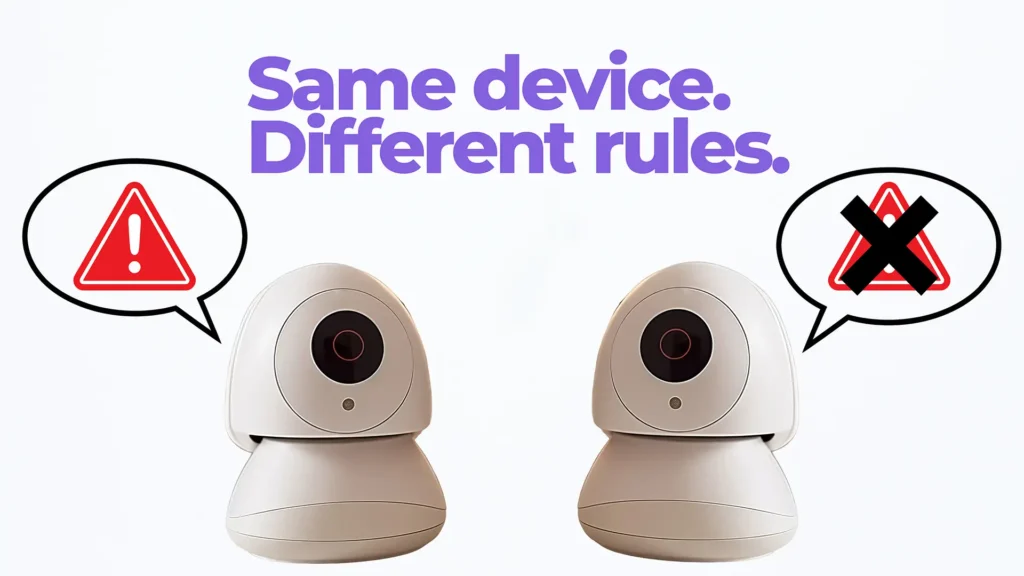
This medical vs wellness example shows how device classification can directly change functionality. Even when hardware is similar, what the device is allowed to do can be very different.
Modern medical devices are no longer confined to hospital settings. Wearable cardiac monitors, home respiratory systems, and remote patient monitoring devices now operate within broader digital health networks.

This blog provides an overview of the major steps involved in estimating cost and schedule. Though this is specifically based on medical devices, similar projects across a variety of industries will follow similar steps.