
Resource Centre
Discover a wealth of knowledge and insights from the experts at StarFish Medical. Our Resource Centre offers product development tips, reviews of new and cutting-edge technologies, and in-depth articles on regulatory updates and compliance in medical device development.
-

While most people think of Botox as a simple beauty treatment, there’s a surprising amount of engineering, anatomy, and precision behind the process.
-

A theranostic wound dressing does more than cover a cut—it actively detects infection and delivers targeted treatment.
-

In this episode of MedDevice by Design, we follow the development journey of a transformative chest therapy device for cystic fibrosis patients. Host Mark Drlik introduces a voice coil prototype from an early-stage project that would eventually evolve into the Hill-Rom Monarch—a commercial system delivering high-frequency chest wall oscillation therapy.
-

Nick and Joris explore the wide world of ablation technologies—unpacking how each approach works and what it’s best suited for.
-
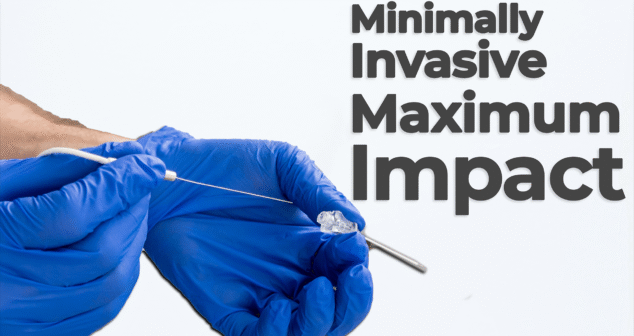
Nick Allan and Joris van der Heijden dive into one of the most impactful trends in modern medtech: minimally invasive surgery. Ablation technology plays a crucial role as hospitals and healthcare providers aim to reduce patient recovery times and overall system strain.
-
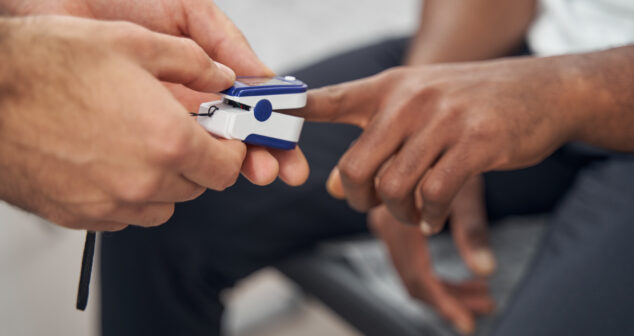
If you’ve ever been to the hospital, you’ll know that one of the first things hospital staff do is attach “that finger clip device” to your finger. “That device” is called a Pulse Oximeter, and it provides information on pulse rate and blood oxygenation.
-
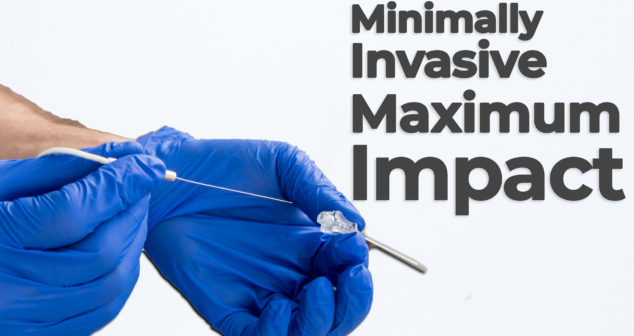
In this episode of Bio Break, Nick and Joris dive into the rapidly growing field of minimally invasive medical technologies, focusing on…
-
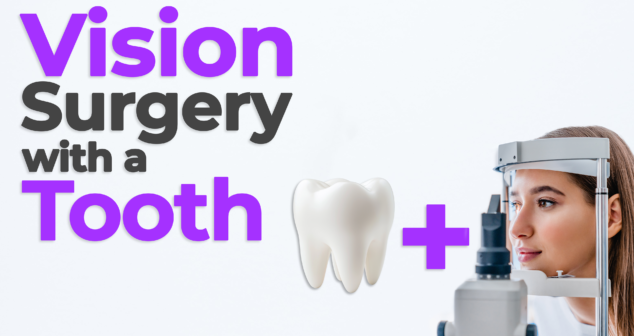
In this episode of Bio Break, Nick and Joris dive into one of the most astonishing—and real—medical innovations we’ve ever come across: osteo-odonto-keratoprosthesis. Or, as Nick quickly dubs it, “tooth in eye surgery.”
-
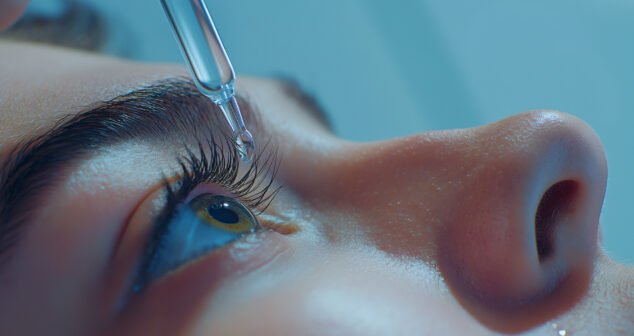
The human eye is an extremely delicate organ, often prone to irritation, dryness and various diseases, such as glaucoma, cataracts, keratoconus, age-related macular degeneration, and many others. These ocular clinical conditions also affect patients’ quality of life.

