

Lab Plastic Recycling in Medtech

Lab plastic recycling is becoming an urgent conversation in medical research and development. In this Bio Break episode, Nick Allan and Nigel Syrotuck explore the massive volume of single-use plastic in labs and discuss a new company working to close the loop through a circular economy approach.
The Scale of Plastic Waste in Labs
Every year, labs around the world consume thousands of plastic plates, gloves, and other single-use components. These materials often become biohazard waste contaminated by bacteria, fluids, or other substances. As a result, they must be incinerated at high cost, generating both financial and environmental burdens.
A Circular Economy Solution
Nick and Nigel highlight a company called Polycarbon BIN, founded in 2020 by physician scientists. Their mission is to recycle lab plastics into new lab-ready materials rather than downcycling them into unrelated products. Unlike recycled toys or consumer goods, this process aims to return plastics safely back into the scientific and medical environment.
What It Means for Medtech
The potential of lab plastic recycling goes beyond waste reduction. If successful, it could reshape sustainability practices in medical device development and laboratory operations. While questions remain about scalability and long-term performance, the approach shows promise for reducing the environmental impact of essential medical research.
This episode of Bio Break sheds light on the tension between necessary single-use plastics and the urgent need for sustainability in medtech. By following new recycling initiatives, labs may find opportunities to reduce waste without compromising safety.
Enjoying Bio Break? Sign up to get new episodes sent to your inbox.
Related Resources
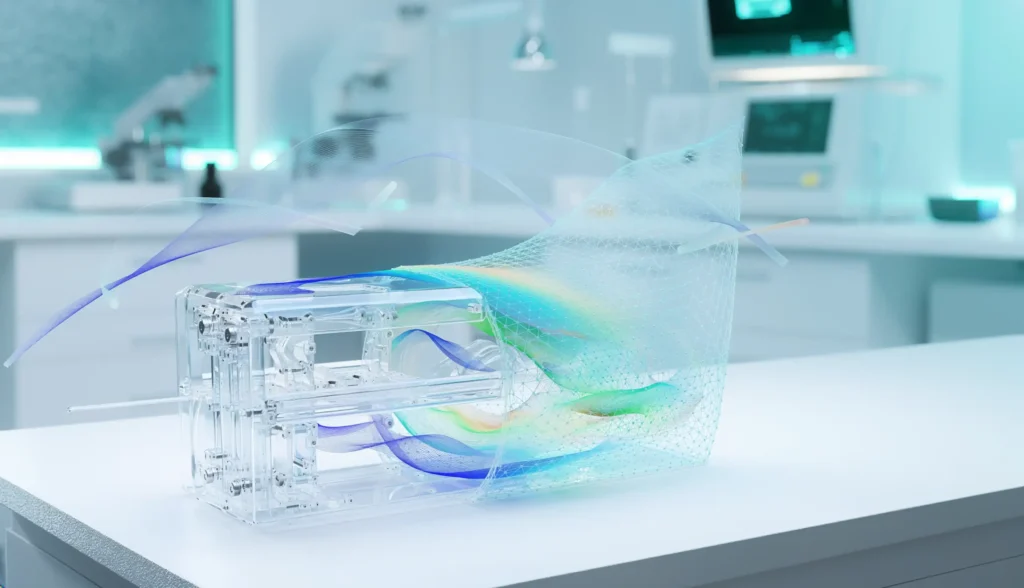
Many teams still underuse CM&S, often bringing it late in device validation, when key decisions have already been made. That approach leaves much of the value of CM&S untapped.

This article traces the Pennes bioheat equation from its 1948 origins to modern multiscale approaches, explaining how engineers select the right level of modelling complexity across device categories.
Five methods for building accurate project estimates, from gut feel to bottom-up, plus three add-ons that sharpen any estimate.
Designers and engineers today have no shortage of tools to improve designs, accelerate timelines, and meet cost targets. The challenge is knowing what to use and when.