

Medical Device Sterilization: Choosing Between ETO, E-Beam, and Gamma

Medical device sterilization is a critical step in development, yet choosing the right method is rarely straightforward. In this Bio Break episode, Nick and Nigel walk through how teams decide between ethylene oxide, E-beam, and gamma radiation sterilization. Rather than presenting a single best option, they explain how material choice, device geometry, electronics, and development timelines all influence the decision.
Understanding Medical Device Sterilization Options
When selecting medical device sterilization methods, one of the first considerations is how the sterilant interacts with the device itself. Ethylene oxide is a gas, which means it can penetrate complex geometries as long as there are pathways such as holes or lumens. Because it operates at low temperatures, it is often suitable for devices that contain electronics or materials sensitive to heat or radiation.
However, ethylene oxide also leaves residues that must be carefully managed. As Nigel explains, this can sometimes introduce additional concerns, especially during development or review board evaluations.
Radiation Sterilization: E-Beam and Gamma
Radiation-based medical device sterilization works differently. Instead of gas penetration, radiation passes through materials, which can be beneficial for long lumens or dense components. That said, not all radiation behaves the same way.
E-beam radiation typically comes from a single direction and has less penetrating power. Devices may need to be oriented or processed more than once to ensure adequate exposure. Gamma radiation, on the other hand, often comes from multiple directions and penetrates more deeply. This can be helpful, although it may also affect materials differently.
As discussed in the episode, metals can reflect radiation, while many plastics may discolor or become brittle under higher doses. These effects do not always disqualify radiation, but they must be understood and tested.
Prototyping, Time Pressure, and Max Dose Testing
During early development and clinical trials, timelines often drive sterilization decisions. Nick shares an example where radiation was chosen simply to move quickly, even though it caused visible discoloration. In that case, appearance was less important than speed and de-risking review board concerns.
Nigel introduces the concept of max dose testing. By exposing a device to the highest radiation dose, teams can confirm functionality under worst-case conditions. If the device performs as expected, lower routine doses are typically safe. This approach helps developers understand margins early and reduce long-term risk.
Making Informed Sterilization Decisions
Ultimately, medical device sterilization relies on experience, testing, and a clear understanding of trade-offs. Shape, materials, electronics, and regulatory timing all matter. This Bio Break episode highlights why sterilization is not a checkbox, but a design decision that evolves alongside the device.
Enjoying Bio Break? Sign up to get new episodes sent to your inbox.
Related Resources

Nick and Nigel breaks down what actually goes into the cost of getting a sterilized device into a user’s hands, and why up to 30% of costs can sit in places most teams don’t plan for.
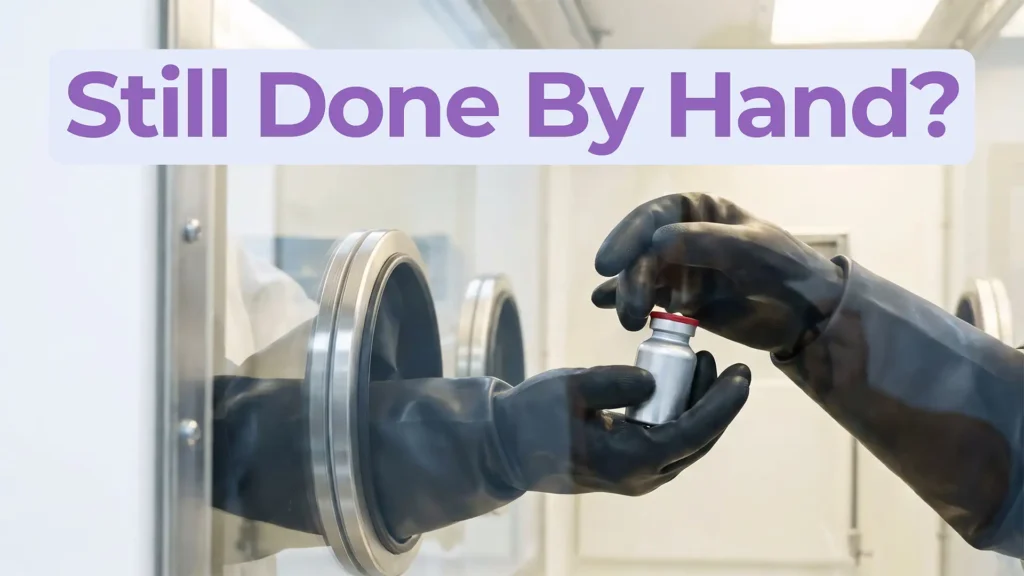
Theranostics combines diagnosis and therapy into a single targeting system, using one ligand to attach to two different radioactive payloads, one for imaging and one for treatment. It represents a significant shift in how cancer is being identified and treated. But the theranostics delivery workflow tells a different story.

Most medical devices were designed for clinical settings, not the patients and caregivers who increasingly rely on them at home. Here’s what good home-use device design actually requires.

How do you measure comfort in medical device design? Explore the tools, scales, and study design principles that turn a subjective experience into actionable design data.