

Medical Device Bioburden and Sterilization Explained
What Is Medical Device Bioburden?
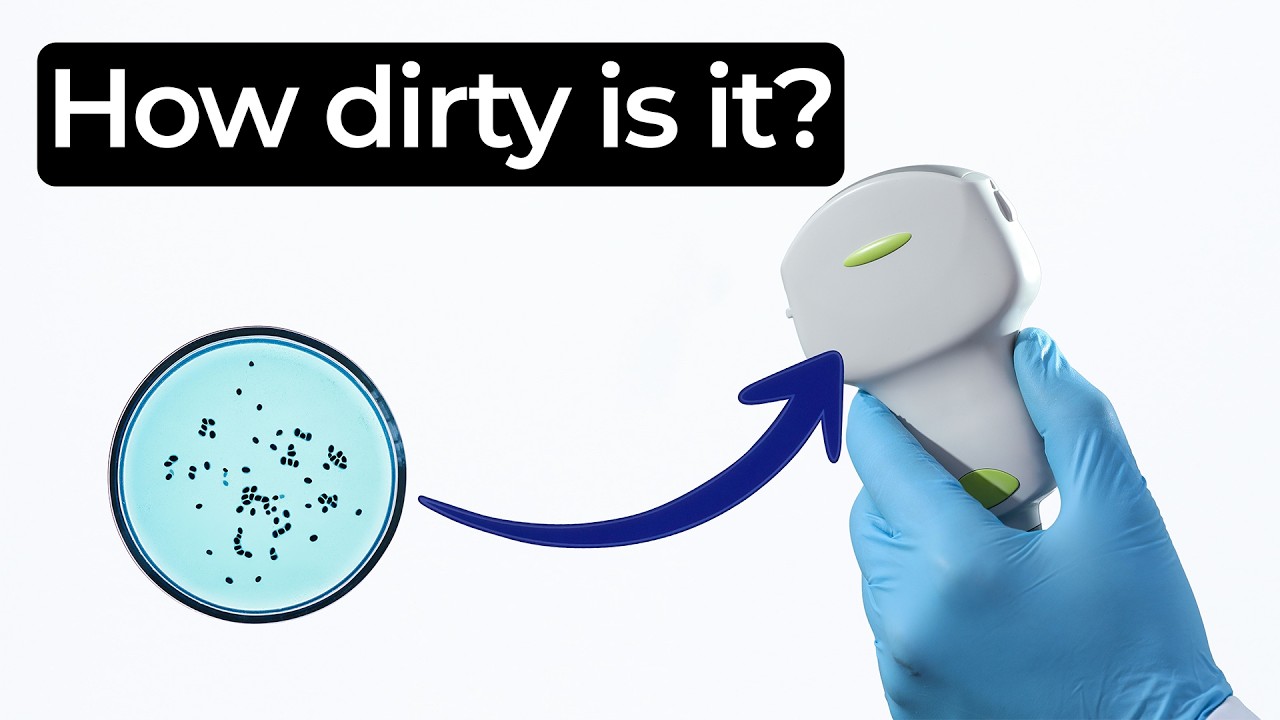
Medical device bioburden plays a critical role in sterilization strategy and regulatory compliance. Before a device is sterilized, it already carries microorganisms. In fact, even freshly manufactured plastic parts can quickly accumulate bacteria through handling and environmental exposure.
In this Bio Break episode, Nick and Nigel explore how much bacteria can exist on devices and why it matters. They explain that bacteria are everywhere. For example, human hands can carry millions of bacteria. Therefore, it is reasonable to assume that medical devices accumulate microorganisms during production and assembly.
The amount of bacteria present on a device before sterilization is called bioburden. Understanding this baseline is essential because sterilization methods must be calibrated accordingly.
Why Bioburden Varies Between Devices
Bioburden is not constant. It varies depending on several important factors.
First, material properties matter. Some polymers may attract bacteria differently due to surface characteristics and even electrical charge. Bacteria typically carry a net negative charge, and certain materials may influence how readily they adhere to a surface.
Second, manufacturing processes impact contamination levels. Two identical components produced similarly may have comparable bioburden up to a certain stage. However, if they are assembled using different methods, the final bioburden can differ significantly.
Handling, cleanliness, and environmental exposure also contribute. Even small process differences can change the microbial load on a device.
How Medical Device Bioburden Affects Sterilization
Because bioburden varies, sterilization cannot be one size fits all. Instead, sterilization dose must be calculated based on the expected microbial load and device surface area.
Whether using radiation or gas, manufacturers must determine how much exposure is needed to achieve sterility assurance. Extensive research and validation support these calculations. Regulatory bodies such as the FDA expect clear evidence that the chosen sterilization method consistently achieves safe and effective sterility levels.
Furthermore, sterilization introduces another consideration. Even after bacteria are destroyed, remnants such as endotoxins may remain. These biological residues create additional safety challenges and require separate evaluation.
Designing for Sterility and Safety
Sterility is not just an end-stage checkbox. It is a biological consideration that influences design, materials, manufacturing, and validation strategy.
By understanding medical device bioburden early, development teams can make informed decisions about materials, assembly processes, and sterilization methods. Ultimately, this integrated approach supports safer devices and smoother regulatory review.
Enjoying Bio Break? Sign up to get new episodes sent to your inbox.
Related Resources
Most medical devices were designed for clinical settings, not the patients and caregivers who increasingly rely on them at home. Here’s what good home-use device design actually requires.

How do you measure comfort in medical device design? Explore the tools, scales, and study design principles that turn a subjective experience into actionable design data.
Gathering health data has enormous value for spotting risks, improving care, and advancing science. The problem isn’t capturing the data. The problem is how we choose to present it and who we’re really serving when we do.

Nick and Nigel break down the acronym, the biology behind it, and why resistance to this particular antibiotic class matters more than most people expect.