

Organ Transplant Logistics in Device Design
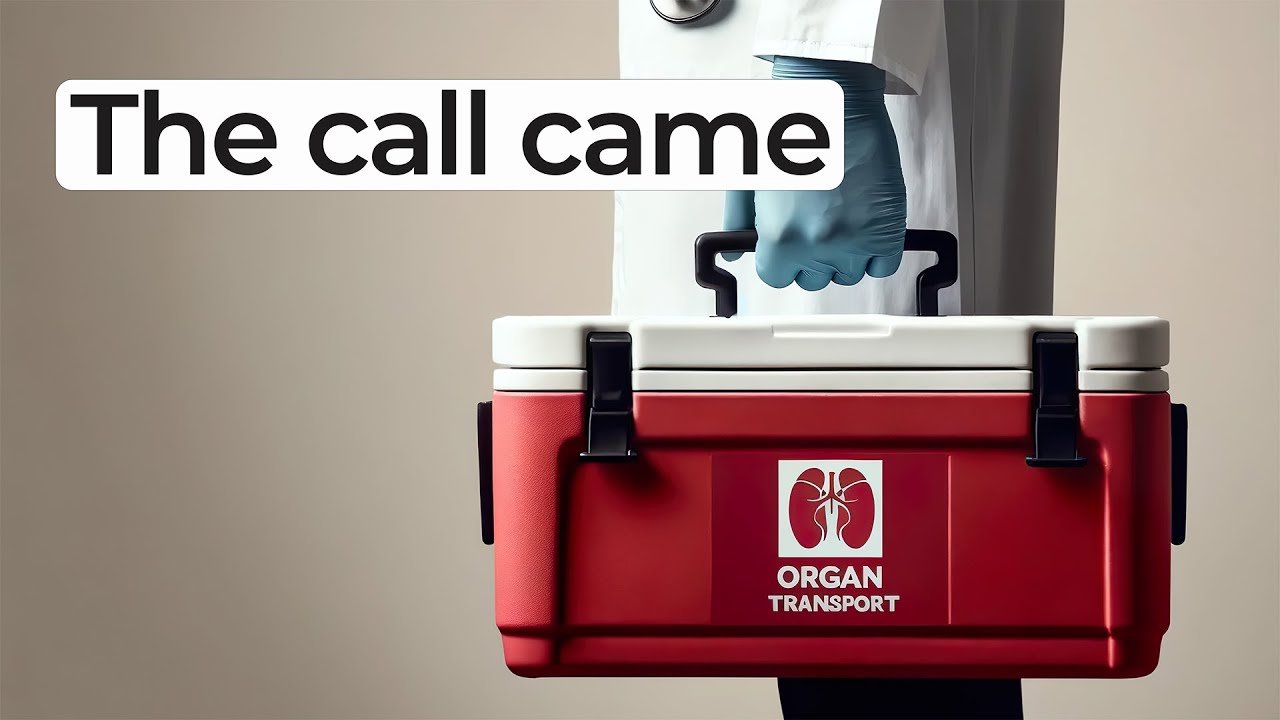
In this Before the Build episode, Eric Olson and Paul Charlebois dive into the importance of organ transplant logistics when designing effective medical devices. Paul shares a firsthand story of a deeply immersive contextual inquiry—one that involved midnight flights, last-minute changes, and an unpredictable transplant timeline.
Paul had been supporting the design of a system to manage the complex journey of donor organs from one hospital to another. But to truly understand that process, he had to live it. That meant packing a bag in advance, waiting by the phone for weeks, and finally jumping into action with just hours of notice. The result? A whirlwind 36-hour experience across multiple provinces, involving private charters, winter ambulance rides, trauma ward delays, and rapid surgical coordination between transplant teams.
The Human Side of Contextual Inquiry
This episode highlights how organ transplant logistics are shaped not just by clinical steps, but by real-world timing, transportation, and interpersonal communication. Paul describes the emotional and operational challenges—from waiting on skeleton crews to dealing with unpredictable road conditions—all of which impact how devices are used in the field.
These moments revealed details that never would have emerged in a traditional design session. Usability insights came from the chaos of real-time decisions, the pace of communication, and even a nurse’s reaction to an ambulance driver’s speed.
Why Field Immersion Matters
As Paul says, you can’t replicate this level of understanding in a workshop or survey. Only by embedding within the entire transplant process could his team return with requirements grounded in reality—and ultimately design a better, more relevant solution.
Enjoying Before the Build? Sign up to get new episodes sent to your inbox.
Related Resources
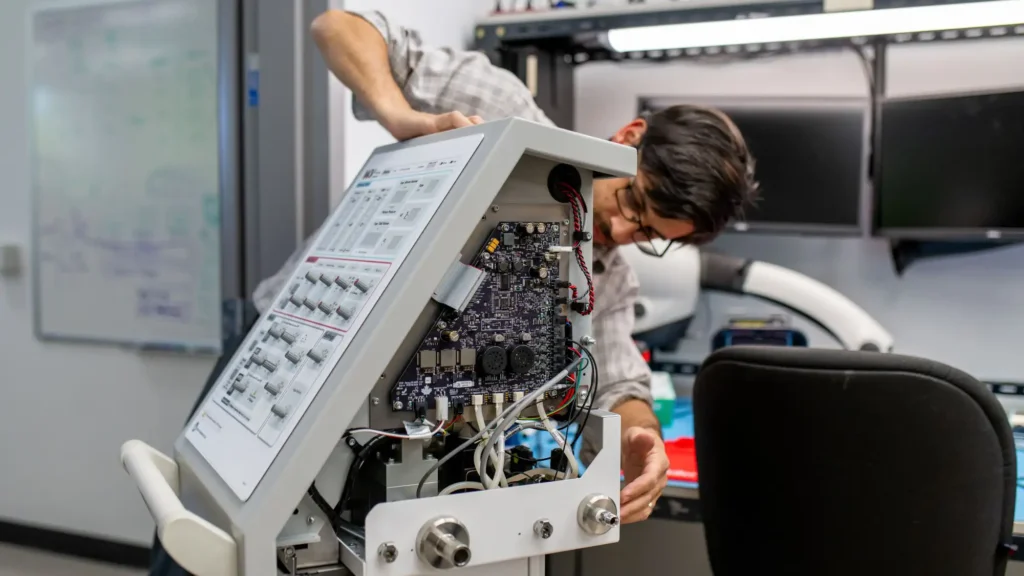
When one team designs, lays out, and brings up a board, knowledge sticks. Splitting that work across specialists looks efficient but creates the risk it’s meant to avoid.
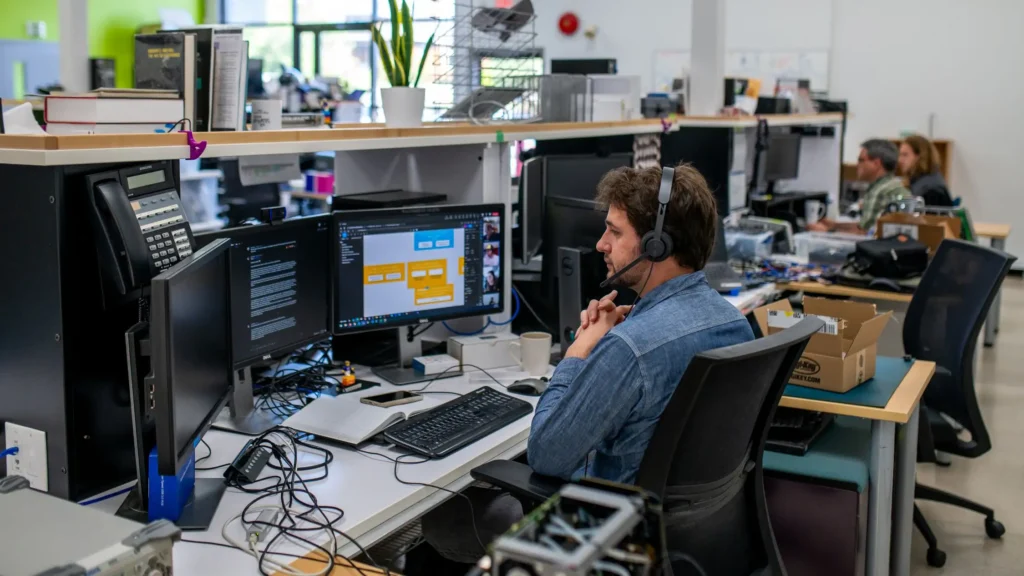
AI coding agents like Claude and Codex are helping EE teams turn concepts into tested hardware in weeks, not months, without adding a new vendor or software dependency.
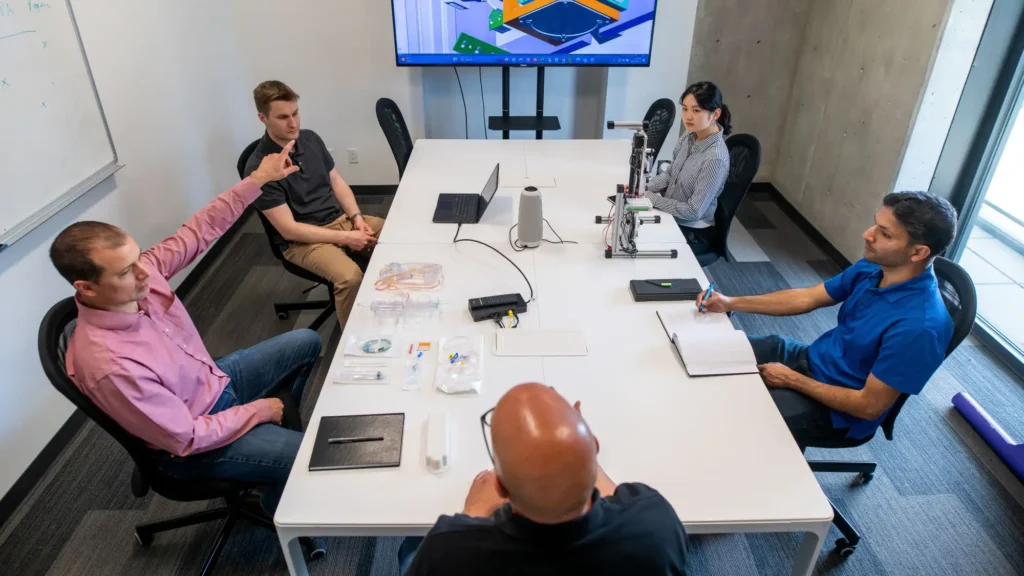
Choosing an EE partner is a program risk decision, not a staffing decision. Early architecture choices carry through to certification, and the wrong partner can cost far more than their hourly rate suggests.
PCB stack-up shapes signal integrity, EMC performance, and manufacturability long before layout begins. Getting layers and reference planes right avoids costly redesigns later.