

Anaerobic Sample Collection Explained
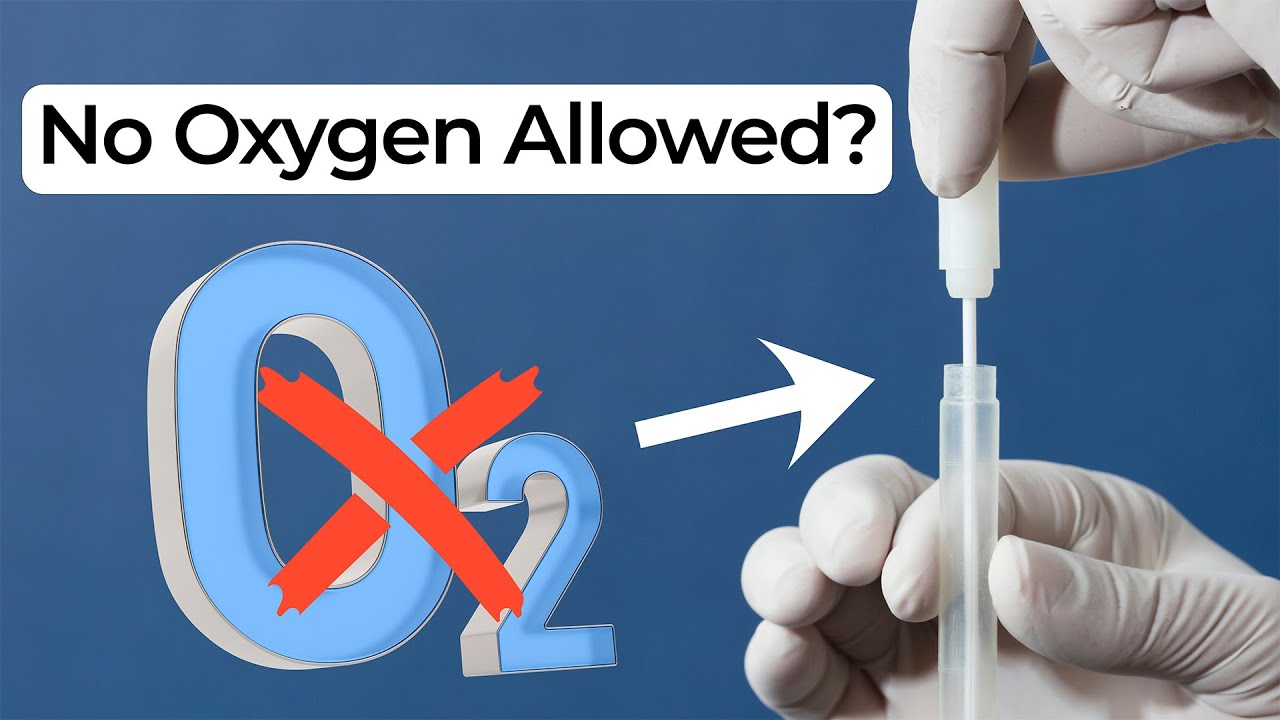
Nick came across a device he couldn’t wait to share. In this episode of Bio Break, he walks Nigel through an anaerobic sample collection system from Becton Dickinson that solves one of the persistent challenges in microbiological fieldwork: keeping obligate anaerobic bacteria alive long enough to study them.
The Problem with Sampling Anaerobic Bacteria
Obligate anaerobic bacteria cannot survive in oxygen. Unlike facultative bacteria, which can function in both oxygen and non-oxygen environments, obligate anaerobes are killed by oxygen exposure. That makes sample collection a genuine challenge: any contact with air during collection or transport can destroy the sample before it reaches the lab.
How the Device Works
The Becton Dickinson system uses a standard swab for sample collection, but the transport mechanism is where the engineering gets interesting. After swabbing, the sample is placed into a container and a two-stage mechanism seals it. Inside the container is a small glass vial within a larger chamber, and a pouch at the bottom contains a catalyst. Once sealed, the catalyst scrubs the oxygen and converts it into water, creating an anaerobic environment. A color change indicator signals that oxygen entered the container and that the catalytic process has activated.
Nick demonstrates this with a used unit, noting the water visible inside from the catalytic reaction and the color change that confirms the process is working.
Why the Form Factor Matters
The practical value of this design, as Nick describes it, is that you can take the sample right there in the field. There is no need for a fume hood or controlled environment. Brief oxygen exposure during swabbing is the unavoidable tradeoff, but the device is designed to scrub that oxygen quickly once sealed. As Nigel puts it: nothing better than finding the right tool for the job.
What this episode covers
- The distinction between obligate and facultative anaerobic bacteria, and why oxygen exposure is lethal to obligate anaerobes
- The challenge of collecting and transporting anaerobic samples without destroying them through oxygen exposure
- How the Becton Dickinson anaerobic sample collection system works: a two-stage sealing mechanism, an internal catalyst that converts oxygen into water, and a color change indicator that confirms the catalytic process has activated
- Nick’s demonstration using a used unit, showing the water byproduct of the catalytic reaction and the color change indicator in action
- The practical field advantage of the design: samples can be collected without a fume hood or controlled environment
Enjoying Bio Break? Sign up to get new episodes sent to your inbox.
Related Resources

Nick and Nigel breaks down what actually goes into the cost of getting a sterilized device into a user’s hands, and why up to 30% of costs can sit in places most teams don’t plan for.
Theranostics combines diagnosis and therapy into a single targeting system, using one ligand to attach to two different radioactive payloads, one for imaging and one for treatment. It represents a significant shift in how cancer is being identified and treated. But the theranostics delivery workflow tells a different story.

Most medical devices were designed for clinical settings, not the patients and caregivers who increasingly rely on them at home. Here’s what good home-use device design actually requires.

How do you measure comfort in medical device design? Explore the tools, scales, and study design principles that turn a subjective experience into actionable design data.