

What Is a Theranostic Wound Dressing?
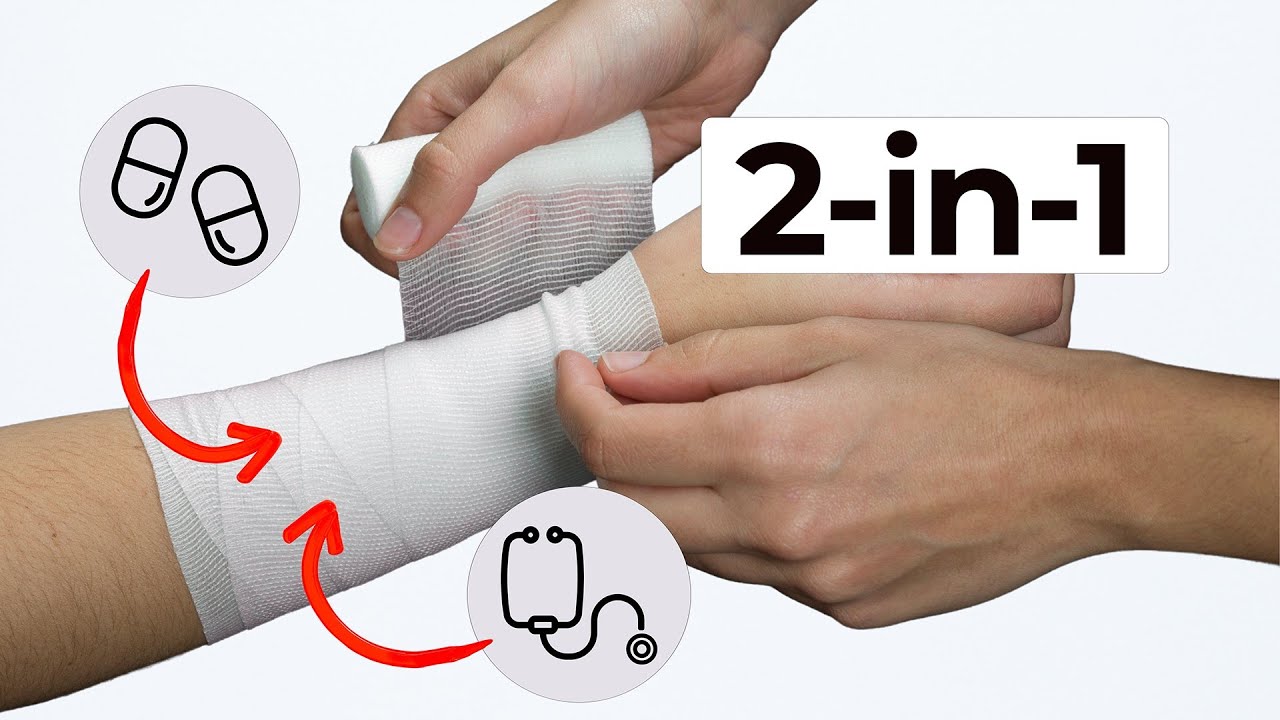
A theranostic wound dressing does more than cover a cut—it actively detects infection and delivers targeted treatment. In this Bio Break episode, Nick and Nigel explore how this smart technology could transform chronic wound care for patients with conditions like diabetic foot ulcers.
How Theranostic Wound Dressings Work
This is no ordinary Band-Aid. While Nick jokes about having a stash of Pokémon bandages at home, this dressing prototype is designed for something much more serious—chronic wounds and diabetic foot ulcers, where early detection and timely treatment are essential.
The innovation lies in a visual infection indicator embedded within the dressing. When an infection is detected, the dressing can release an antimicrobial treatment directly into the wound site, offering a targeted therapeutic response before complications escalate.
Benefits of Theranostic Wound Dressings
Why is that important? Because antimicrobial stewardship is more critical than ever. Overusing broad-spectrum antibiotics or applying antimicrobials when they’re not needed contributes to resistance and unnecessary costs. This dressing applies treatment only when and where it’s required—no more, no less.
Of course, not every scrape or paper cut needs advanced diagnostics. Nick and Nigel discuss the use case limitations, noting this device wouldn’t make sense in your medicine cabinet at home. But in hospitals, long-term care centers, or for at-risk patients with chronic wounds, it could be a game changer.
The future of wearable MedTech is here, and it’s smarter than ever. Tune in to see how this dressing bridges diagnostics and therapy in one elegant solution—and where it might show up next.
Learn more about StarFish Medical.
Related Resources

Nick and Nigel breaks down what actually goes into the cost of getting a sterilized device into a user’s hands, and why up to 30% of costs can sit in places most teams don’t plan for.
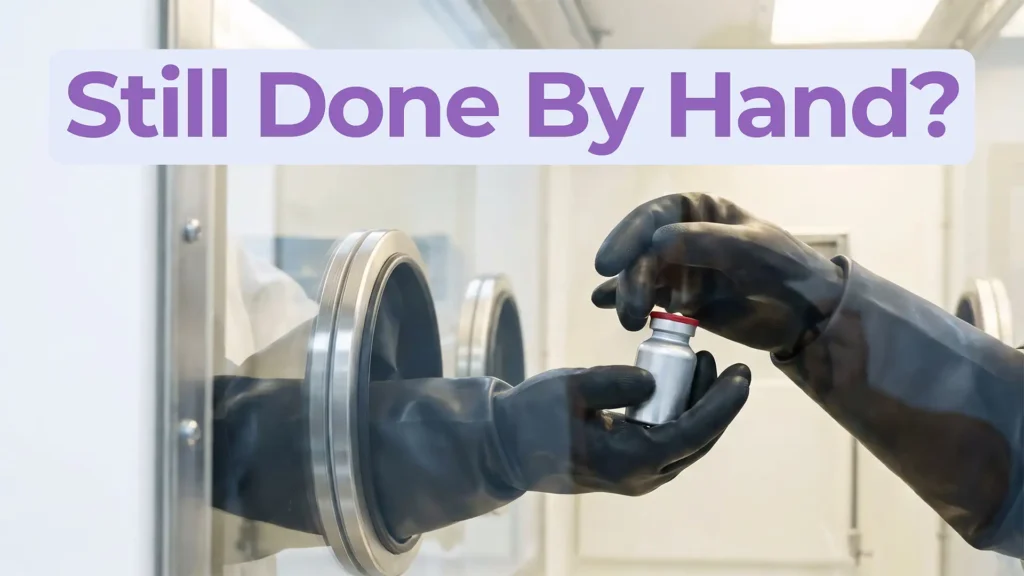
Theranostics combines diagnosis and therapy into a single targeting system, using one ligand to attach to two different radioactive payloads, one for imaging and one for treatment. It represents a significant shift in how cancer is being identified and treated. But the theranostics delivery workflow tells a different story.
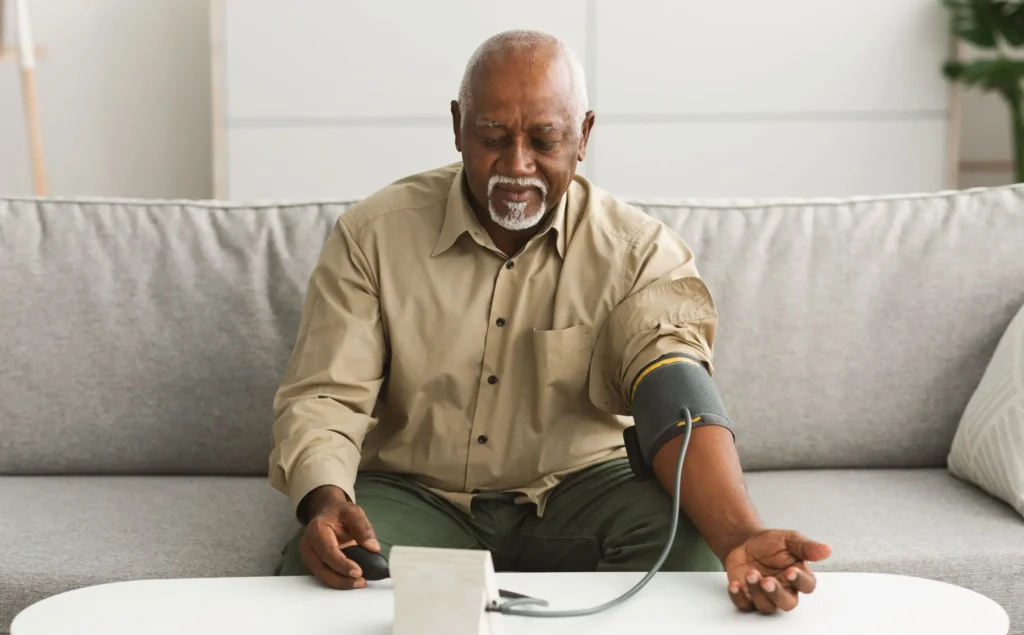
Most medical devices were designed for clinical settings, not the patients and caregivers who increasingly rely on them at home. Here’s what good home-use device design actually requires.

How do you measure comfort in medical device design? Explore the tools, scales, and study design principles that turn a subjective experience into actionable design data.