

Venn Diagram MedTech Success – Aligning Product and Business Strategy

In this episode of MedDevice by Design, we explore how the Venn Diagram MedTech Success model helps early-stage companies align product design with commercial strategy. Mark Drlik and Ariana Wilson share how this triple Venn framework, focusing on feasibility, viability, and desirability, can diagnose the strengths and weaknesses of a MedTech product or startup.
What Is the Venn Diagram MedTech Success Model?
The Venn Diagram MedTech Success framework consists of three intersecting pillars:
- Feasibility: Can we build it? Do we have the technical and engineering capability?
- Viability: Can we sell it? Will it generate economic value in a competitive market?
- Desirability: Will users and payers want it? Does it meet clinical and user needs?
Mark emphasizes that while most teams focus heavily on feasibility, overlooking the business and market context can derail an otherwise brilliant product.
Applying the Venn Diagram to Real-World MedTech Devices
Mark uses intravascular lithotripsy—a device designed to break up calcified plaque in arteries—as a real-world example. This innovation checked all three boxes:
- A strong business strategy and regulatory plan (viability)
- A differentiated product that improved safety and effectiveness (desirability)
- A feasible, proven technical path with clinical precedent (feasibility)
By mapping success factors in each area, teams can assess risk early, validate commercial potential, and focus their development investment where it matters most.
Why This Matters in Early-Stage MedTech
The Venn Diagram MedTech Success model is especially useful for startups navigating limited budgets and uncertain markets. It helps founders:
- Prepare for investment pitches
- Avoid over-engineering a product no one wants
- Prioritize features that drive adoption and reimbursement
Whether you’re aiming for acquisition or full commercialization, this framework offers a repeatable, cross-functional approach to building successful medical technologies.
Enjoying MedDevice by Design? Sign up to get new episodes sent to your inbox.
Related Resources

Nick and Nigel breaks down what actually goes into the cost of getting a sterilized device into a user’s hands, and why up to 30% of costs can sit in places most teams don’t plan for.
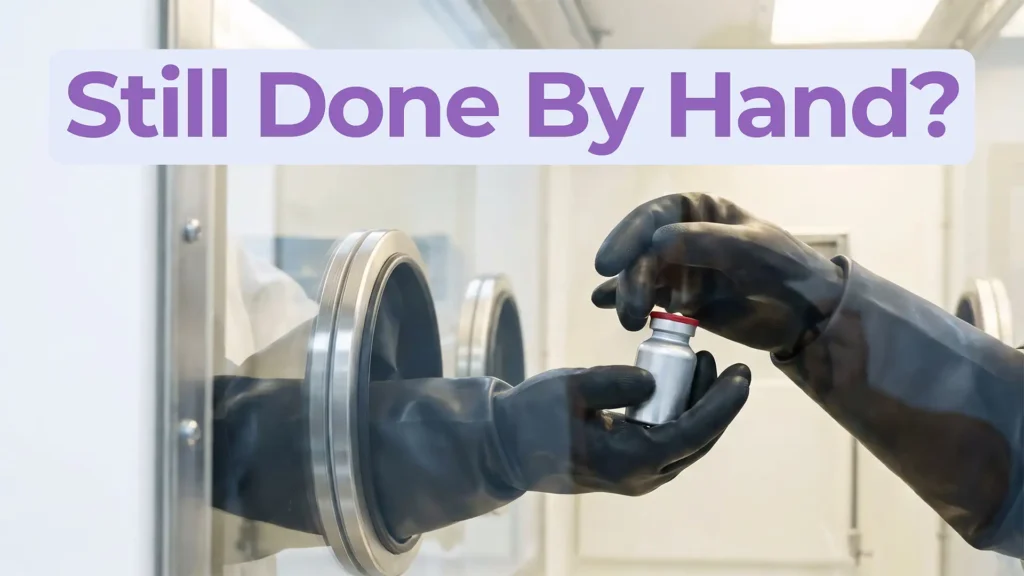
Theranostics combines diagnosis and therapy into a single targeting system, using one ligand to attach to two different radioactive payloads, one for imaging and one for treatment. It represents a significant shift in how cancer is being identified and treated. But the theranostics delivery workflow tells a different story.

Most medical devices were designed for clinical settings, not the patients and caregivers who increasingly rely on them at home. Here’s what good home-use device design actually requires.

How do you measure comfort in medical device design? Explore the tools, scales, and study design principles that turn a subjective experience into actionable design data.