
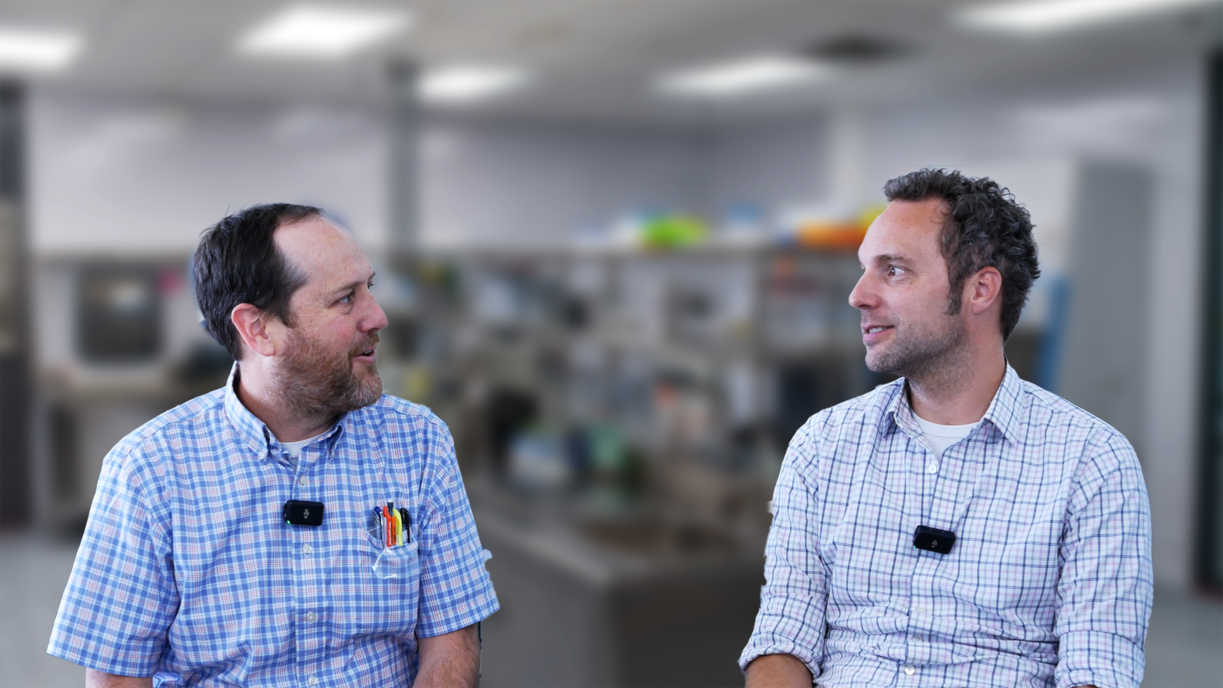
Bio Break: Funding Strategies for Medical Devices
Nick and Joris tackle a topic that’s more relevant than ever—raising funds for medical device development in today’s challenging financial landscape. With economic headwinds and cautious investors, startups and even established organizations face significant hurdles in securing funding. But there are ways to mitigate these challenges, and Joris shares strategic insights to align product development milestones with fundraising cycles.
Joris explains how breaking down a development program into distinct phases can help demonstrate progress and reduce risk, making a strong case to investors. Starting with an early-stage proof-of-concept system, developers can validate that their technology works as intended. This milestone not only reduces technical risk but also provides a compelling signal to potential investors that the project is on the right track.
The discussion highlights how subsequent phases build on this foundation, with the next funding round often focused on achieving clinical efficacy or regulatory submissions. These milestones unlock further investment, ensuring that the project continues to move forward incrementally. Finally, Joris emphasizes the importance of manufacturability and scalability, particularly for larger organizations aiming to bring the product to market. Demonstrating the ability to scale up production efficiently can attract interest from strategic partners or investors looking for a proven product ready for commercialization.
Nick and Joris also explore how this phased approach aligns with increasing funding needs while simultaneously de-risking the project. As the product progresses through proof of concept, clinical trials, and manufacturing, the price tag grows—but so does investor confidence, creating a balanced, stage-gated strategy for success.
Whether you’re a startup navigating tight budgets or an established company seeking to optimize your funding strategy, this episode is packed with actionable advice for managing financial risk in medical device development. Watch this Bio Break episode to learn how thoughtful planning and clear milestones can secure the funding you need to bring innovative medical technologies to life!
Funding Strategies for Medical Devices
Related Resources
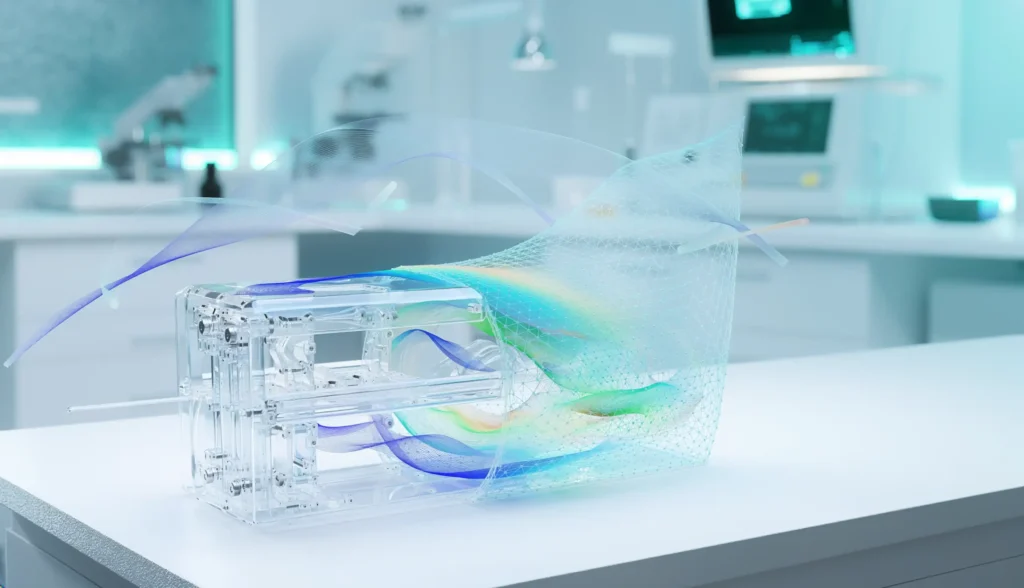
Many teams still underuse CM&S, often bringing it late in device validation, when key decisions have already been made. That approach leaves much of the value of CM&S untapped.

This article traces the Pennes bioheat equation from its 1948 origins to modern multiscale approaches, explaining how engineers select the right level of modelling complexity across device categories.
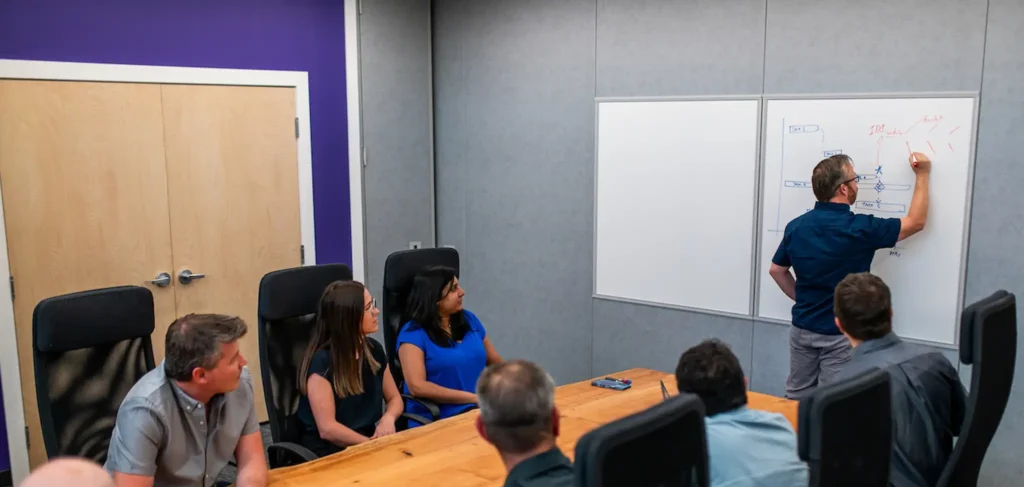
Five methods for building accurate project estimates, from gut feel to bottom-up, plus three add-ons that sharpen any estimate.
Designers and engineers today have no shortage of tools to improve designs, accelerate timelines, and meet cost targets. The challenge is knowing what to use and when.