

Patent Documentation Habits
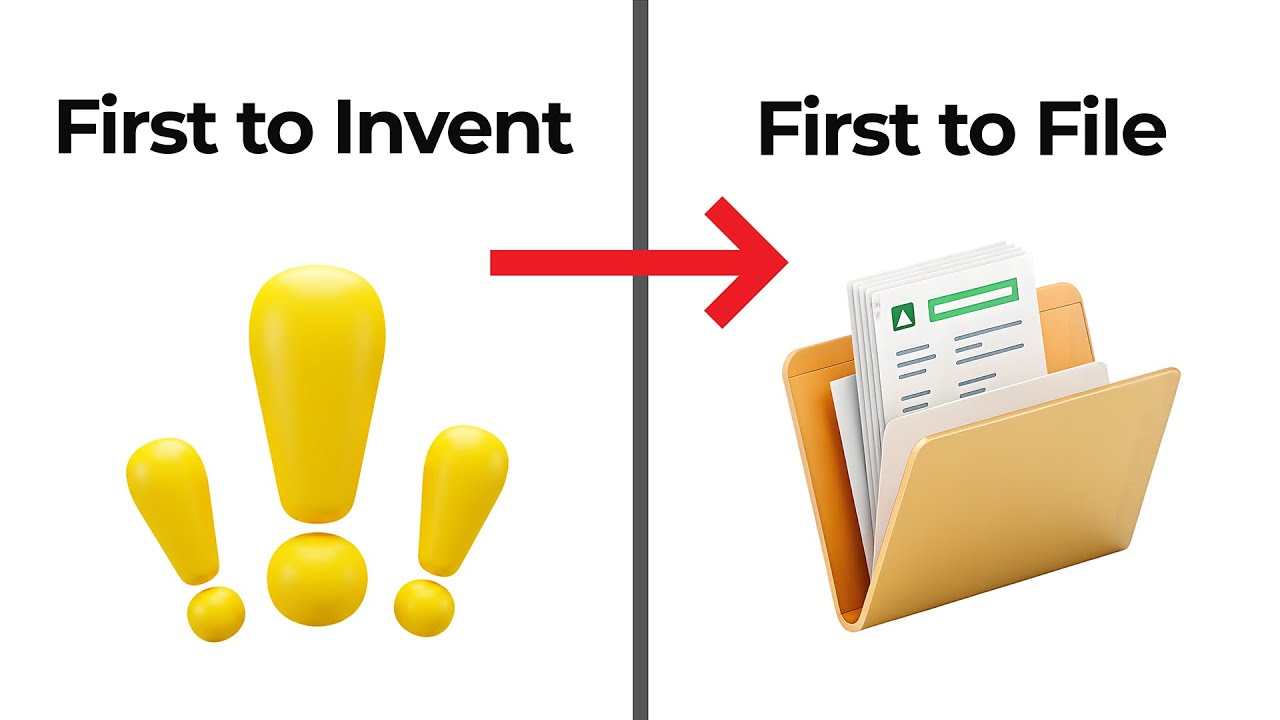
From bound notebooks to digital filings
In this Bio Break episode, Nick Allan and Nigel Syrotuck dive into the evolution of patent documentation habits in engineering and medical device development. Nick shares his long-standing habit of keeping a bound, numbered engineering notebook—a tradition rooted in how patents used to be secured before 2013.
Back then, the patent system operated on a “first to invent” basis. That meant having a detailed, dated, and witnessed notebook could make or break a patent claim. As Nick explains, every page was written in ink, bound, and authenticated by a colleague’s signature. These practices not only kept engineers organized but served as legal proof of originality and invention timing.
The shift to “first to file”
Nigel notes that the system has since shifted to “first to file.” Now, whoever submits their patent application first holds the rights, regardless of prior documentation. Nick acknowledges the change but continues his old routine, calling it a useful habit carried over from an earlier era. The notebook, once vital evidence in patent disputes, now stands as a symbol of discipline and thoroughness in engineering practice.
The two discuss how this shift may make the system simpler but could also open the door to opportunistic filings. Still, as Nigel jokes, Nick’s dedication to note-taking proves that some traditions in engineering are worth keeping alive.
Why old habits matter
Today’s innovators may not need bound books to secure intellectual property, but documenting ideas remains essential. Good records support collaboration, accountability, and innovation continuity—principles that haven’t changed since the ink-and-paper era.
Enjoying Bio Break? Sign up to get new episodes sent to your inbox.
Related Resources

Nigel Syrotuck breaks down REACH SVHC compliance for teams working with material suppliers and compliance questionnaires.

We examine when computational modelling and simulation, or CM&S, genuinely supports medical device simulation strategy and when it becomes a costly detour.
Many teams still underuse CM&S, often bringing it late in device validation, when key decisions have already been made. That approach leaves much of the value of CM&S untapped.

This article traces the Pennes bioheat equation from its 1948 origins to modern multiscale approaches, explaining how engineers select the right level of modelling complexity across device categories.