
Bio Break
Quick Insights into MedTech and Biotech Innovation
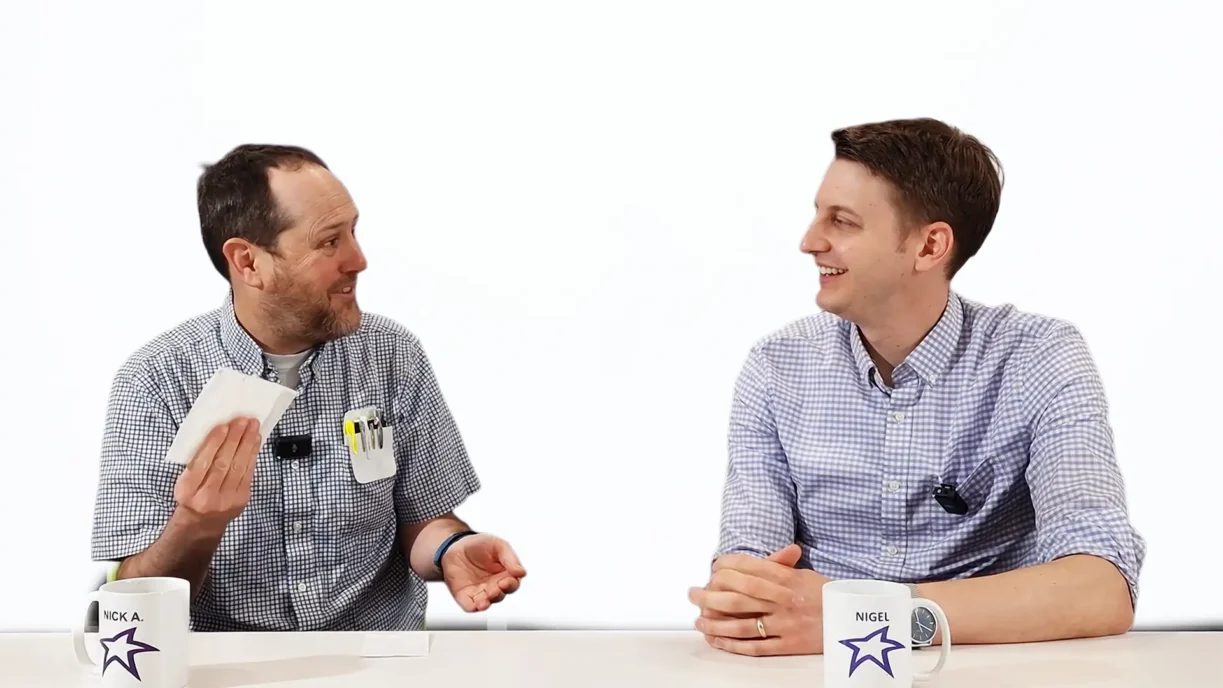
Welcome to Bio Break, a video series brought to you by StarFish Medical. Each episode delivers bite-sized, bio-focused insights on medical device product development and biotechnology in five minutes or less. Designed for busy innovators, Bio Break is your quick opportunity to learn something new, get inspired, and continue making an impact—all while taking a short pause in your day.
Expert Device Insights in Under 5 Minutes
Don’t miss a single story. Sign up now to get new Bio Break episodes and exclusive bio-focused insights in your inbox. Sent monthly to 6,000+ drug delivery and medical device professionals.
Watch our latest Bio Break episodes
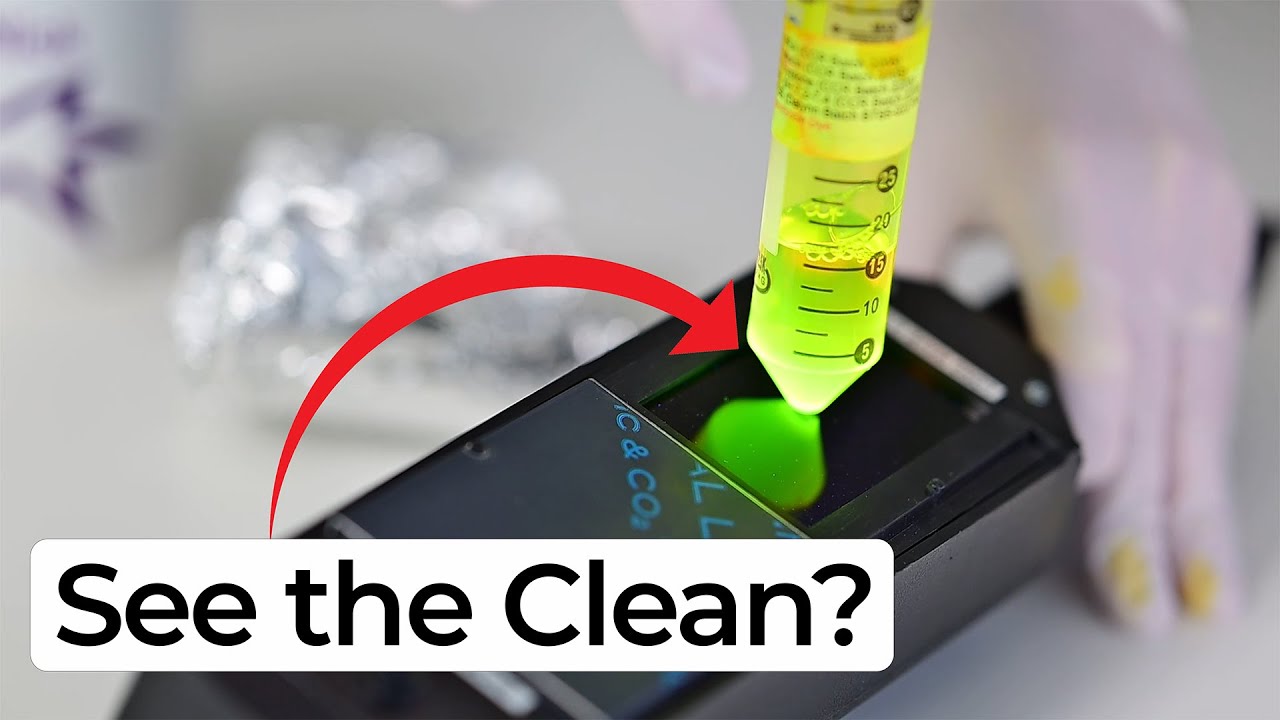
Fluorescent Soil Load Test
Nick Allan and Nigel Syrotuck explore a creative approach to visualizing cleaning validation using a fluorescent soil load.
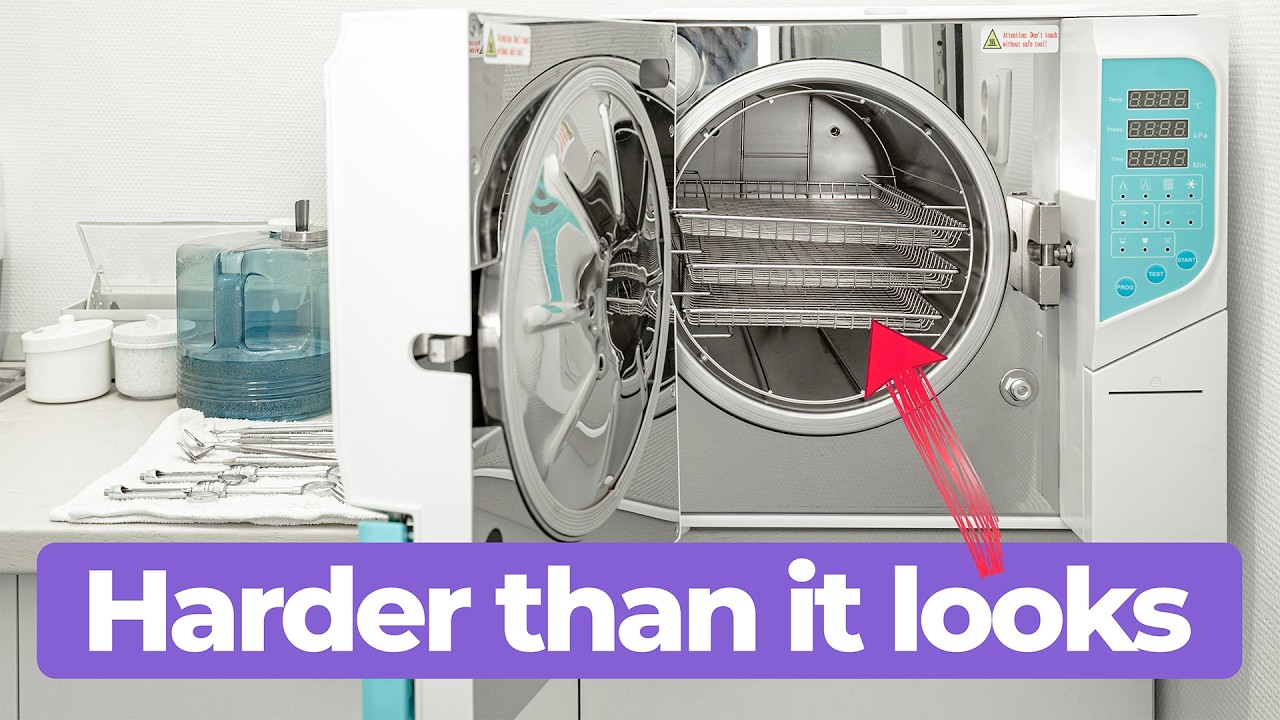
Medical Device Cleaning Process Explained
Nick and Nigel unpack what really goes into cleaning medical devices and why it cannot be treated like a simple wipe-down process.
Past Episodes
-

Nick and Joris break down what a DHF is, why it's required, and how it plays a vital role throughout the development lifecycle.
-
Nick Allan and Joris van der Heijden revisit one of StarFish Medical’s most successful Pathfinder journeys, showcasing how a bold research concept evolved into a fully realized clinical diagnostic device.
-
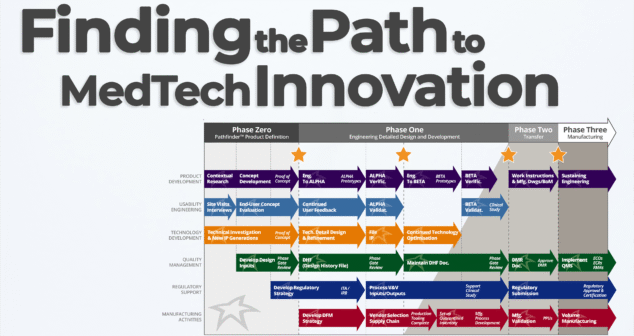
Nick and Joris explore one of the most dynamic early-phase services at StarFish Medical: the Pathfinder Program. If you're a medtech innovator with a promising concept or prototype, Pathfinder helps you identify the right path forward—before you invest millions in development.
-
Nick and Joris explore the wide world of ablation technologies—unpacking how each approach works and what it’s best suited for.
-
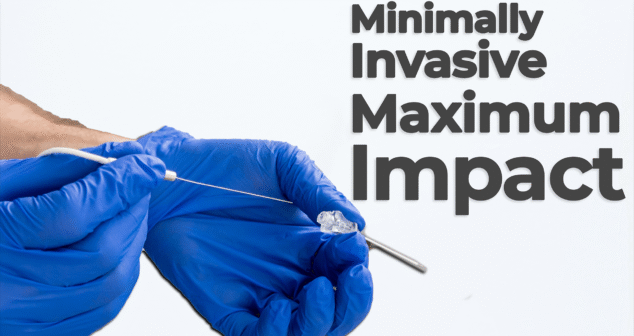
Nick Allan and Joris van der Heijden dive into one of the most impactful trends in modern medtech: minimally invasive surgery. Ablation technology plays a crucial role as hospitals and healthcare providers aim to reduce patient recovery times and overall system strain.
-
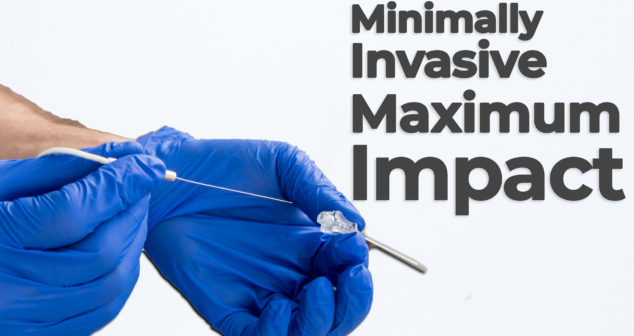
In this episode of Bio Break, Nick and Joris dive into the rapidly growing field of minimally invasive medical technologies, focusing on…
-
In this episode of Bio Break, Nick and Joris dive into one of the most astonishing—and real—medical innovations we’ve ever come across: osteo-odonto-keratoprosthesis. Or, as Nick quickly dubs it, “tooth in eye surgery.”
-

In this episode of Bio Break, Nick Allan and Joris van der Heijden explore a critical but often overlooked topic in healthcare innovation: prevention. While most conversations about medical devices revolve around treatment, the duo shifts the focus to technologies that help people avoid hospitalization altogether. Preventive medical devices and diagnostic tools are quietly transforming healthcare by catching diseases earlier and reducing the need for invasive procedures.
-
In this episode of Bio Break, Nick shares one of his favorite discoveries in the world of infectious disease research — the groundbreaking discovery of Helicobacter pylori and its role in causing peptic ulcers. This fascinating story showcases how persistence, scientific curiosity, and innovative thinking can lead to discoveries that reshape medical science.

