

How Ozempic works: why one enzyme is the whole story
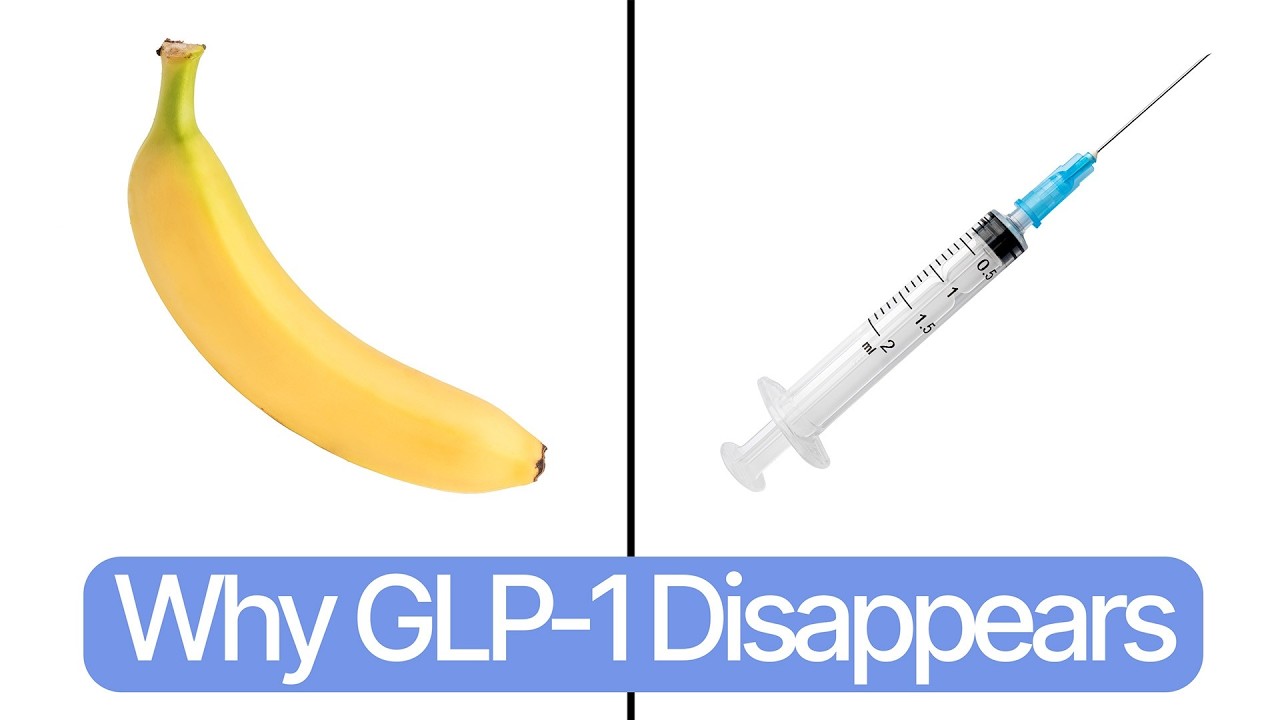
What is Ozempic and how does it work?
Ozempic is a synthetic version of a hormone your body already makes. That hormone is called GLP-1 (glucagon-like peptide-1), and your intestine releases it naturally when food arrives. It travels to the pancreas, binds to receptors on the beta cells, and triggers two things: insulin production goes up, and glucagon production goes down. Lower glucagon means you stop feeling hungry.
So the question is: if your body already makes GLP-1, why does Ozempic exist? The answer is an enzyme called DPP-4 (dipeptidyl peptidase-4). Its job is to break down GLP-1 after it has done its work, clearing it from your bloodstream. Your body’s own GLP-1 is short-lived by design. Ozempic is engineered to survive DPP-4. That is the core of how Ozempic works.
Why DPP-4 is the reason Ozempic works differently from your body’s own GLP-1
The natural version of GLP-1 disappears quickly, and that is intentional. DPP-4 is what brings the signal to an end. Without it, your body’s own hunger-suppressing hormone would just keep running. So DPP-4 is not a flaw in the system; it is part of how the system regulates itself.
Ozempic looks enough like GLP-1 to bind the same receptors on the pancreas and produce the same effects. But DPP-4 cannot break it down the way it breaks down natural GLP-1. The signal doesn’t end on the same timeline. That persistence is what makes it effective.
How Ozempic works in the context of a delivery system
Understanding how Ozempic works biologically is one part of the question. The episode grew out of a real project: a team working on an Ozempic delivery system. That framing matters, because the mechanism is not just academic. If you’re designing something that delivers this drug, you need to understand what the molecule actually does, how it differs from the body’s own version, and why DPP-4 resistance is the property that makes it behave the way it does.
The biology is the starting point. What that means for delivery is the question the episode opens up, and does not fully close.
Enjoying Bio Break? Sign up to get new episodes sent to your inbox.
Related Resources

Nigel Syrotuck breaks down REACH SVHC compliance for teams working with material suppliers and compliance questionnaires.

We examine when computational modelling and simulation, or CM&S, genuinely supports medical device simulation strategy and when it becomes a costly detour.
Many teams still underuse CM&S, often bringing it late in device validation, when key decisions have already been made. That approach leaves much of the value of CM&S untapped.

This article traces the Pennes bioheat equation from its 1948 origins to modern multiscale approaches, explaining how engineers select the right level of modelling complexity across device categories.