

Sterile Assurance Level Explained
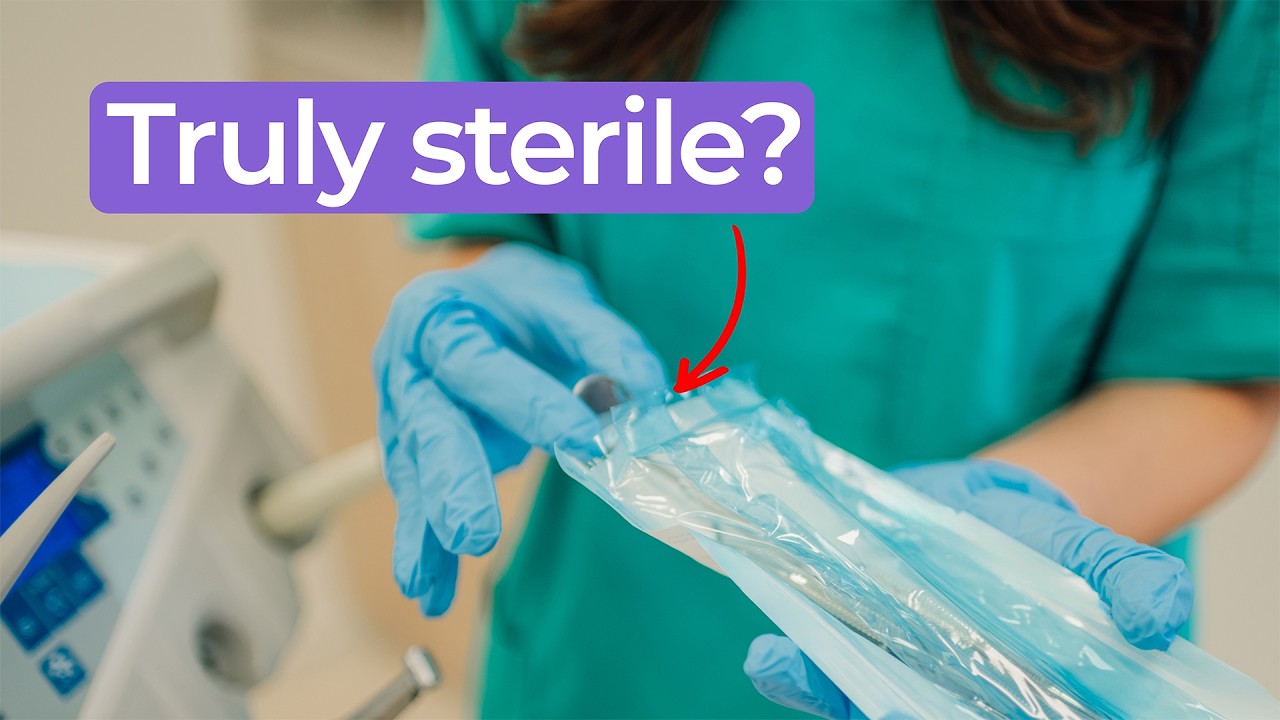
What does a sterile assurance level really mean?
In this Bio Break episode, Nick and Nigel explain how medical devices are proven sterile before reaching patients. While sterilization methods such as ETO gas and radiation are important, verification is what ultimately defines success. For terminally sterilized devices, teams aim for a very specific probability target that ensures patient safety.
Understanding SAL 6 and What It Represents
A sterile assurance level of six, commonly called SAL 6, represents a one in a million probability that viable microorganisms remain after sterilization.
In practical terms, that means a 99.99999 percent probability that microorganisms have been eliminated. This statistical target is widely accepted for terminally sterilized disposable medical devices.
Rather than assuming a process worked, SAL defines sterility in measurable terms.
How Sterilization Methods Support Sterility Targets
Several accepted sterilization methods are used in medical device manufacturing.
Ethylene trioxide, or ETO, is a gas that permeates sterile packaging and diffuses throughout a device. It kills microorganisms on contact. However, complex geometries can create challenges. Long lumens, for example, require gas to slowly move through narrow internal pathways.
Radiation methods such as electron beam, X ray, or gamma radiation penetrate materials and destroy microorganisms as they pass through. In some cases, radiation may better address certain shapes, although geometry still influences validation strategy.
How Biological Indicators Verify Success
Achieving sterility is only part of the process. It must be proven.
Biological indicators, which are bacterial spores, are placed in difficult to reach areas such as the center of long lumens. After sterilization, they are incubated in a lab. If any growth appears, the process failed.
Teams may also measure radiation dose at specific points or use validated analog approaches. In some cases, final product testing checks for bacterial remnants.
Ultimately, sterile assurance level provides a statistical benchmark. It ensures that sterilization is verified through testing, not assumed through process alone.
Enjoying Bio Break? Sign up to get new episodes sent to your inbox.
Related Resources

Understanding gram positive vs negative bacteria is essential when studying sterility, microbiology, and antibiotic effectiveness. While many people think the difference is only about staining, the reality is much deeper.
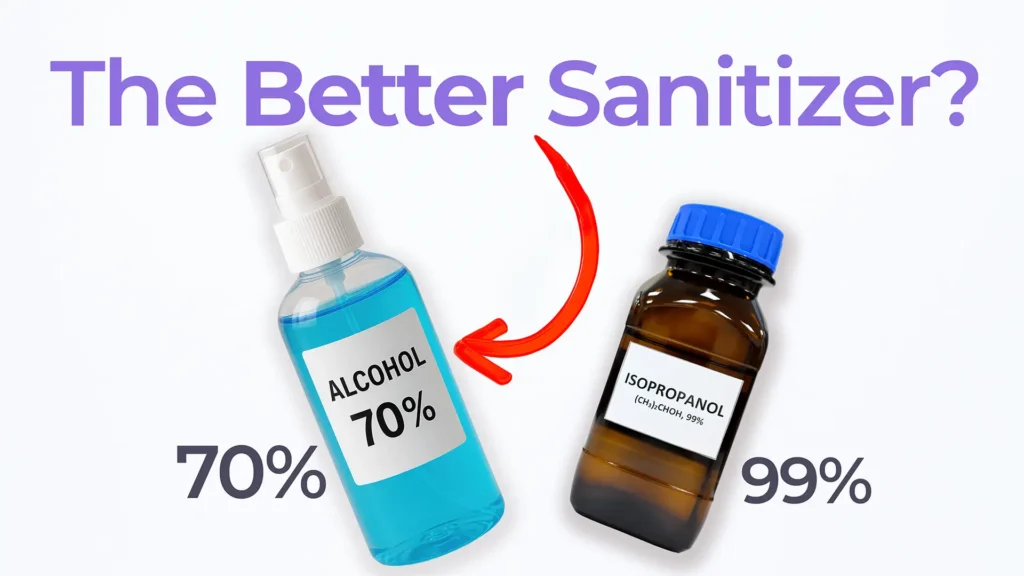
Nick and Nigel explore the science behind hand sanitizer formulations. They discuss how alcohol interacts with bacterial cells, why water improves its effectiveness, and what the additional ingredients in sanitizer actually do.
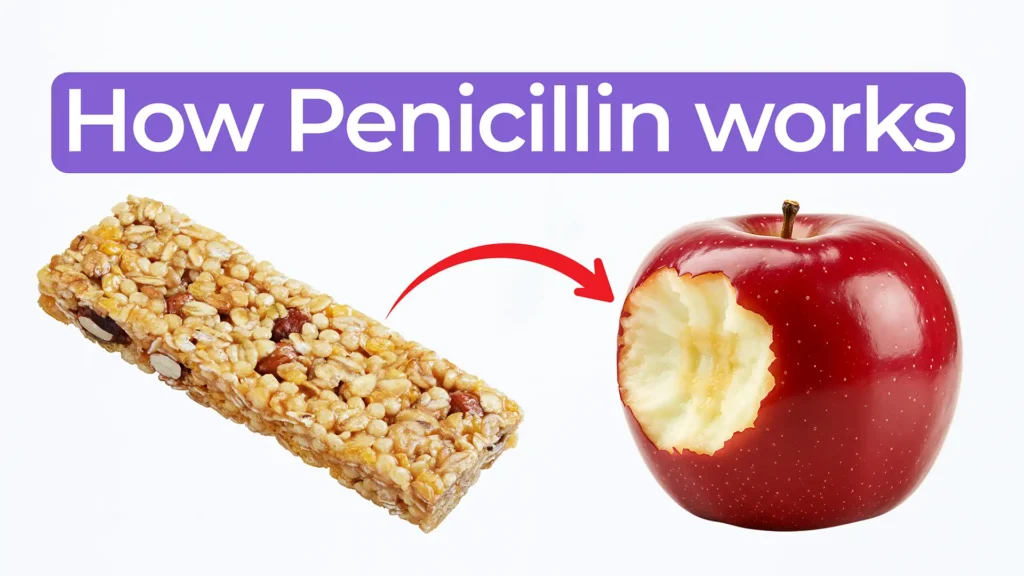
Antibiotics changed medicine forever, but many people still wonder how penicillin works at a biological level. Nick and Nigel break down the science behind one of the most important antibiotics ever discovered.
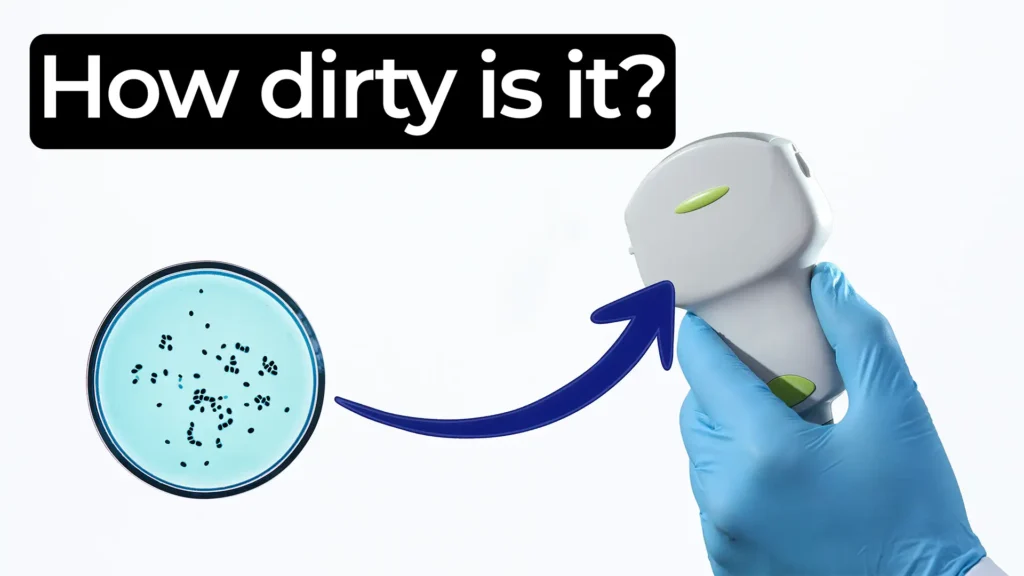
Nick and Nigel explore how much bacteria can exist on devices and why it matters. They explain that bacteria are everywhere.