
Cold and Flu Microbiology Facts You Did Not Expect
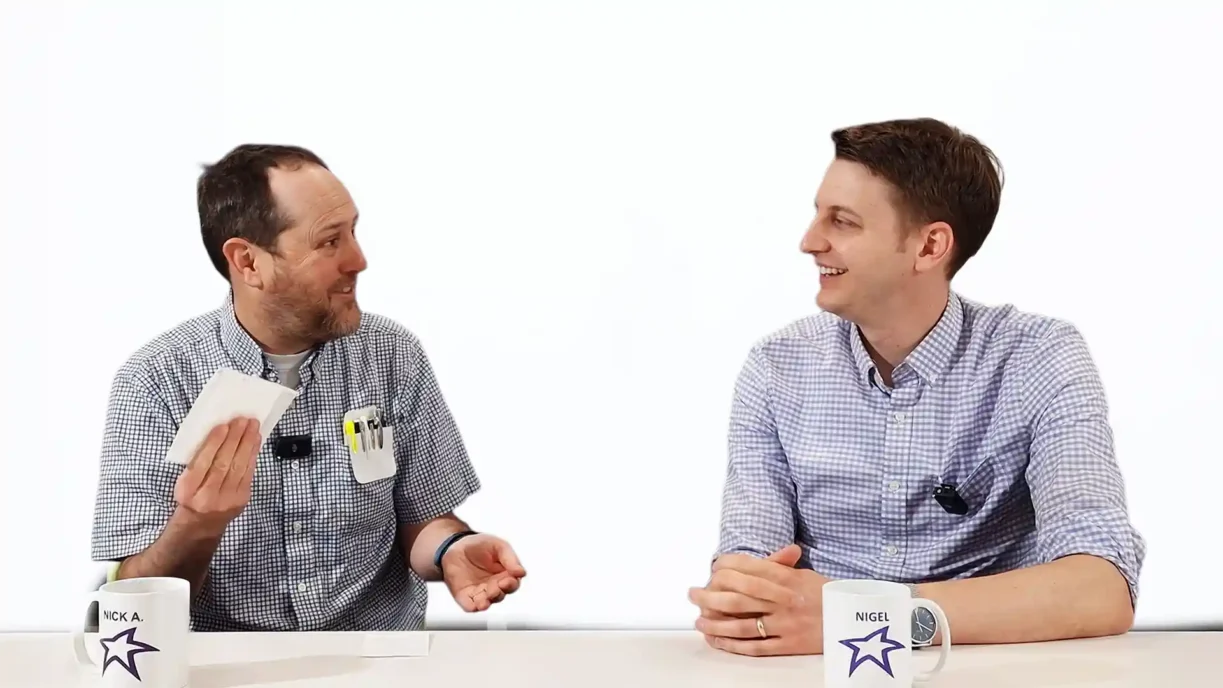
Cold flu microbiology becomes especially relevant during the holiday season, when families gather and colds seem to circulate endlessly. In this Bio Break episode, Nick and Nigel explore a surprising and memorable microbiology fact that puts everyday hand hygiene into perspective. Through a lighthearted conversation, they explain why washing your hands is still one of the most effective ways to reduce the spread of illness during cold and flu season.
As parents themselves, the discussion begins with a familiar reality. When kids bring home colds from school or daycare, it can feel like an endless cycle. However, rather than focusing on frustration, this episode uses microbiology to explain what is really happening and why simple habits still matter.
What Cold Flu Microbiology Tells Us About Our Hands
One of the most striking cold flu microbiology facts shared in this episode is how many bacteria live on the human body. According to Nigel, humans are made up of more bacterial cells than human cells. While that may sound unsettling at first, it is a normal and well understood part of microbiology.
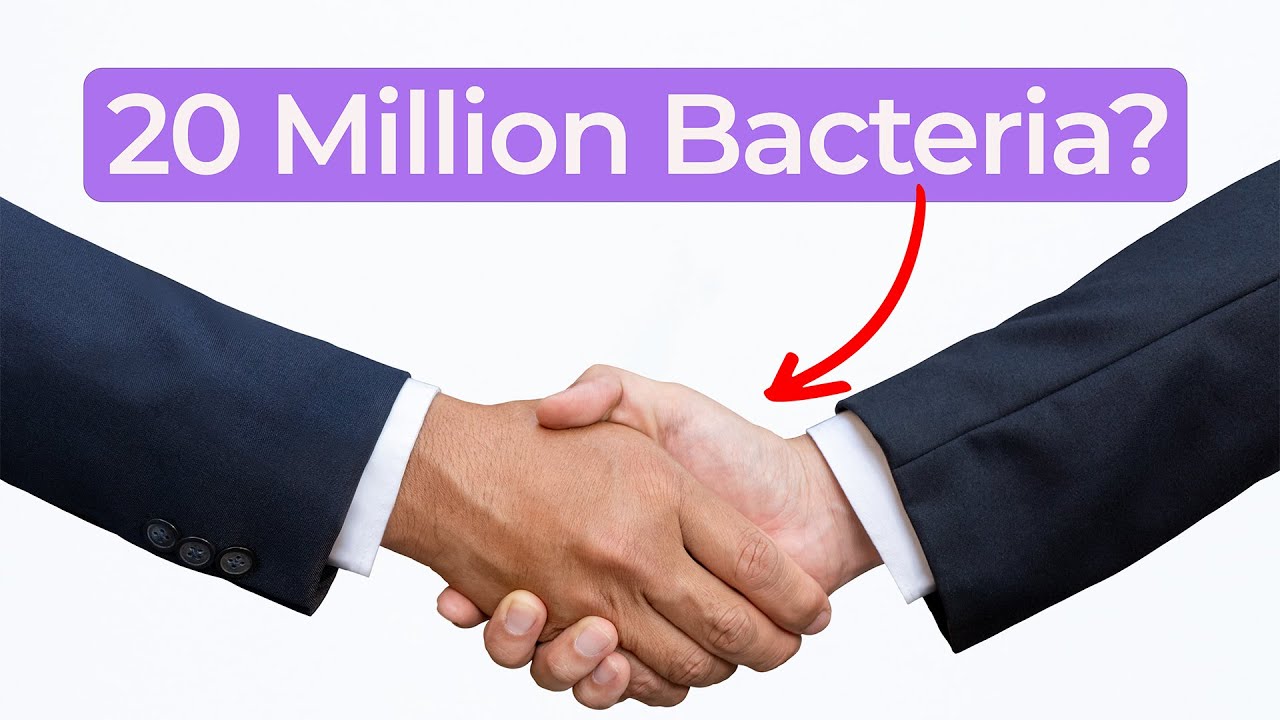
To make the idea tangible, Nigel explains that a single human hand can carry roughly 10 million bacteria. When people shake hands, touch surfaces, or gather closely during the holidays, those bacteria are easily transferred. Suddenly, everyday interactions look very different through a microbiology lens.
Why Hand Washing Still Matters
Because hands play such a central role in how bacteria move between people, hand washing remains a key preventative measure. This Bio Break episode reinforces that point in a memorable way. When families gather and children run from person to person, the number of shared contact points increases quickly.
Therefore, while cold flu microbiology can sound abstract, its practical takeaway is simple. Washing your hands reduces the transfer of bacteria and lowers the risk of spreading illness. As Nigel sums up, that simple habit can make a meaningful difference, especially during busy holiday gatherings.
A Lighthearted Reminder With Real Science
This Bio Break keeps the tone approachable while grounding the discussion in real microbiology. By connecting scientific facts to everyday experiences, Nick and Nigel offer a reminder that prevention does not always require complex solutions. Sometimes, it starts with soap, water, and a few extra seconds at the sink.
Enjoying Bio Break? Sign up to get new episodes sent to your inbox.
Related Resources
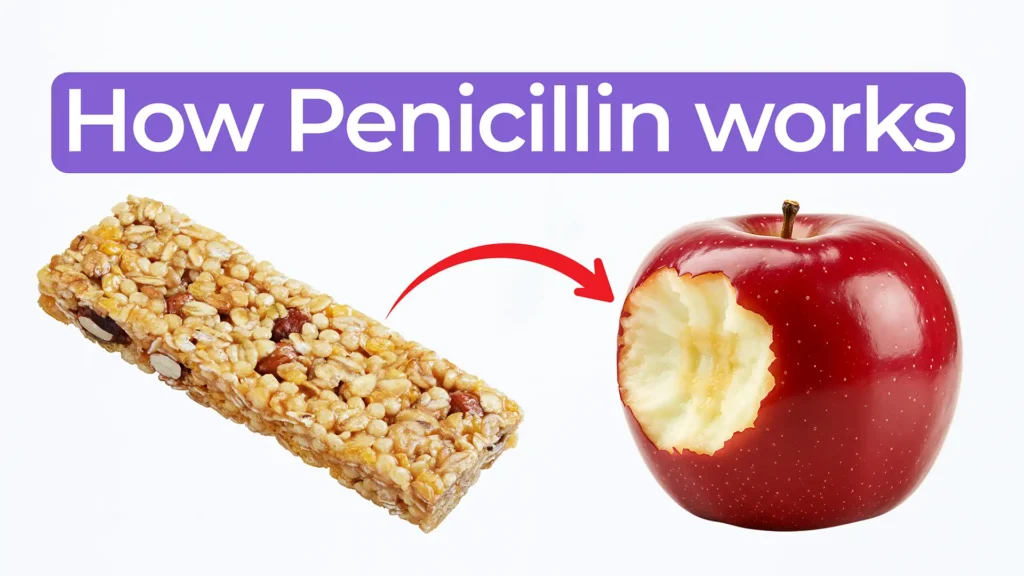
Antibiotics changed medicine forever, but many people still wonder how penicillin works at a biological level. Nick and Nigel break down the science behind one of the most important antibiotics ever discovered.
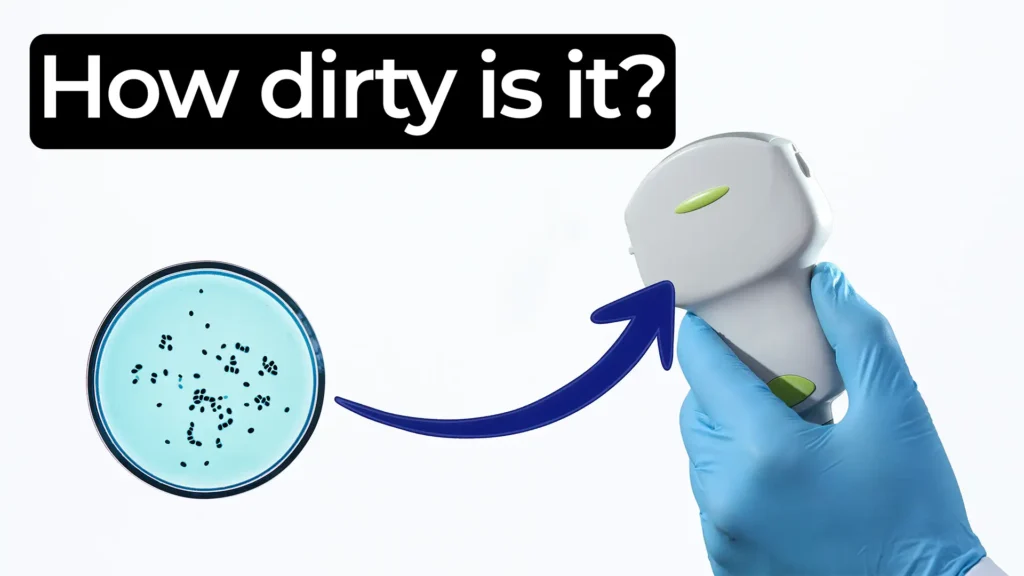
Nick and Nigel explore how much bacteria can exist on devices and why it matters. They explain that bacteria are everywhere.
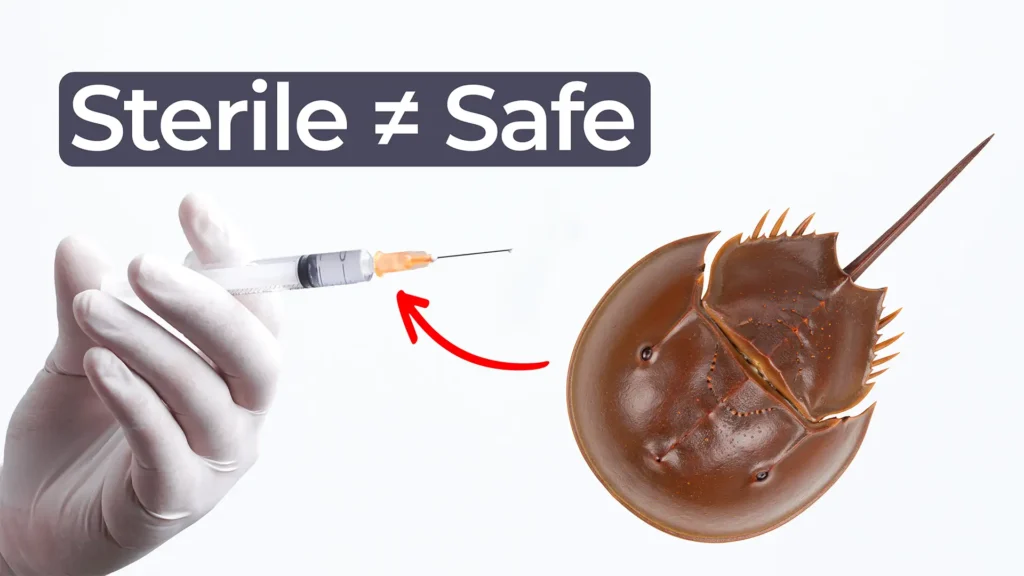
Bacterial endotoxin testing plays a critical role in medical device safety. In this Bio Break episode, Nick and Nigel take a surprising path from aliens and crabs to one of the most important quality checks in MedTech.
Nick and Nigel walk through how sterile disposables are processed and verified before they reach the field.