
Bio Break
Quick Insights into MedTech and Biotech Innovation
Welcome to Bio Break, a video series brought to you by StarFish Medical. Each episode delivers bite-sized, bio-focused insights on medical device product development and biotechnology in five minutes or less. Designed for busy innovators, Bio Break is your quick opportunity to learn something new, get inspired, and continue making an impact—all while taking a short pause in your day.
Expert Device Insights in Under 5 Minutes
Don’t miss a single story. Sign up now to get new Bio Break episodes and exclusive bio-focused insights in your inbox. Sent monthly to 6,000+ drug delivery and medical device professionals.
Watch our latest Bio Break episodes
Fluorescent Soil Load Test
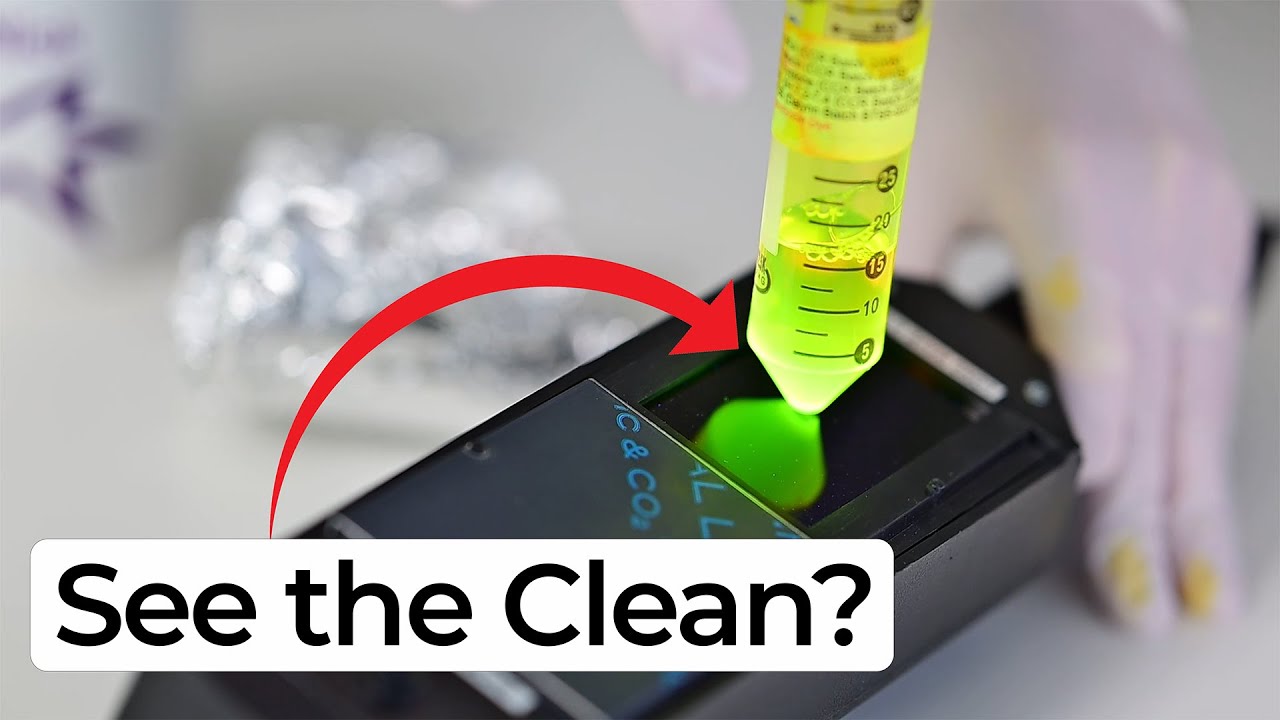
Nick Allan and Nigel Syrotuck explore a creative approach to visualizing cleaning validation using a fluorescent soil load.
Medical Device Cleaning Process Explained
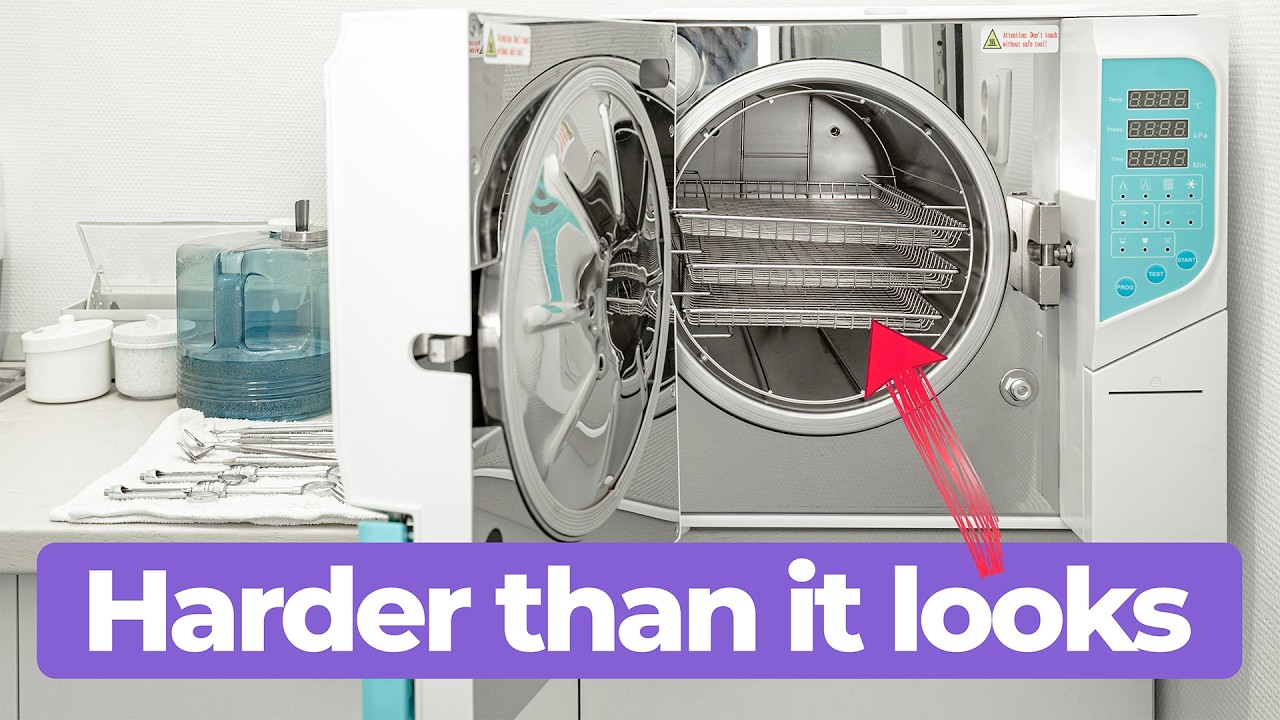
Nick and Nigel unpack what really goes into cleaning medical devices and why it cannot be treated like a simple wipe-down process.
Past Episodes
-

Nick and Nigel break down the acronym, the biology behind it, and why resistance to this particular antibiotic class matters more than most people expect.
-
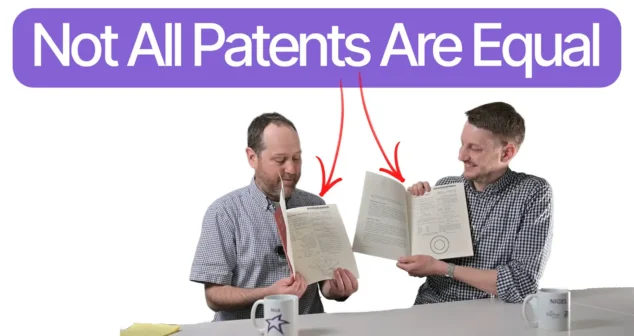
In this episode of Bio Break, Nick walks through both patent types after receiving two of his own in the mail, one of each, from the USPTO.
-
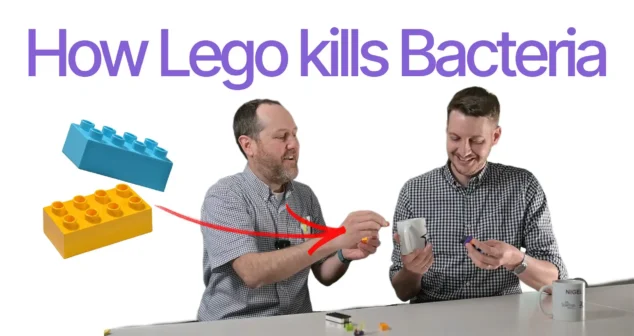
Nick Allan and Nigel Syrotuck explain exactly how aminoglycoside antibiotics work and why they're so effective at killing bacteria.
-
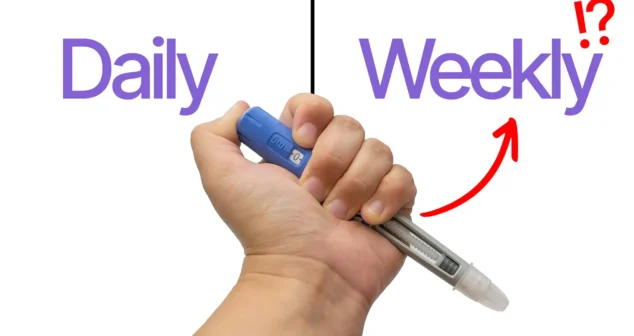
In this Bio Break episode, Nick and Nigel explore why some GLP-1 drugs are taken daily while others last a full week, and what drives that difference at a molecular level.
-
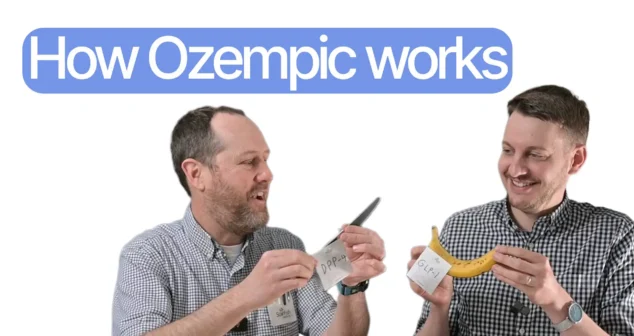
Ozempic is a synthetic version of a hormone your body already makes. That hormone is called GLP-1 (glucagon-like peptide-1), and your intestine releases it naturally when food arrives.
-
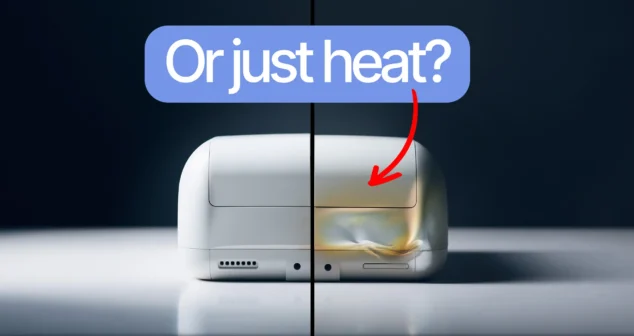
Accelerated aging in medical devices is a testing method used to estimate how a product will perform over time by exposing it to elevated conditions, most often heat. In simple terms, it is a way to simulate months or years of aging in a much shorter timeframe.
-
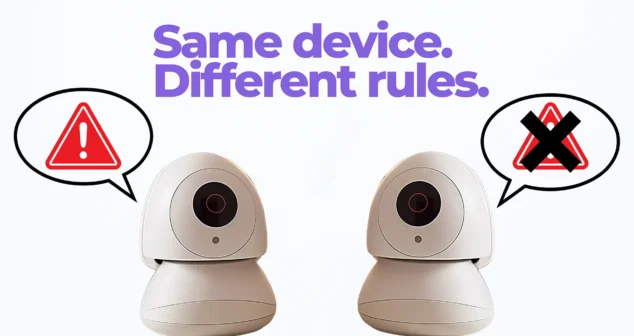
This medical vs wellness example shows how device classification can directly change functionality. Even when hardware is similar, what the device is allowed to do can be very different.
-
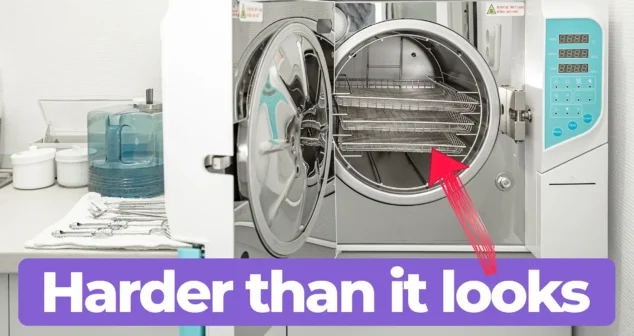
Medical device cleaning is more complex than it seems. In this Bio Break episode, Nick and Nigel unpack what really goes into cleaning medical devices and why it cannot be treated like a simple wipe-down process.
-
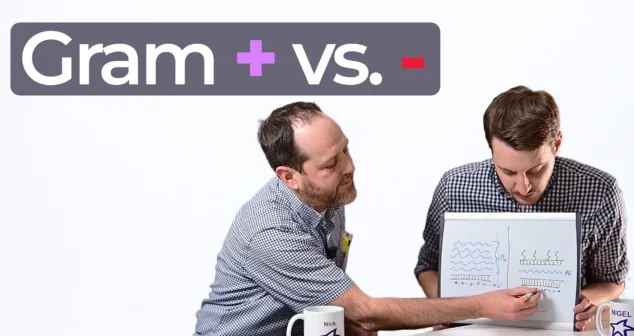
Understanding gram positive vs negative bacteria is essential when studying sterility, microbiology, and antibiotic effectiveness. While many people think the difference is only about staining, the reality is much deeper.
