
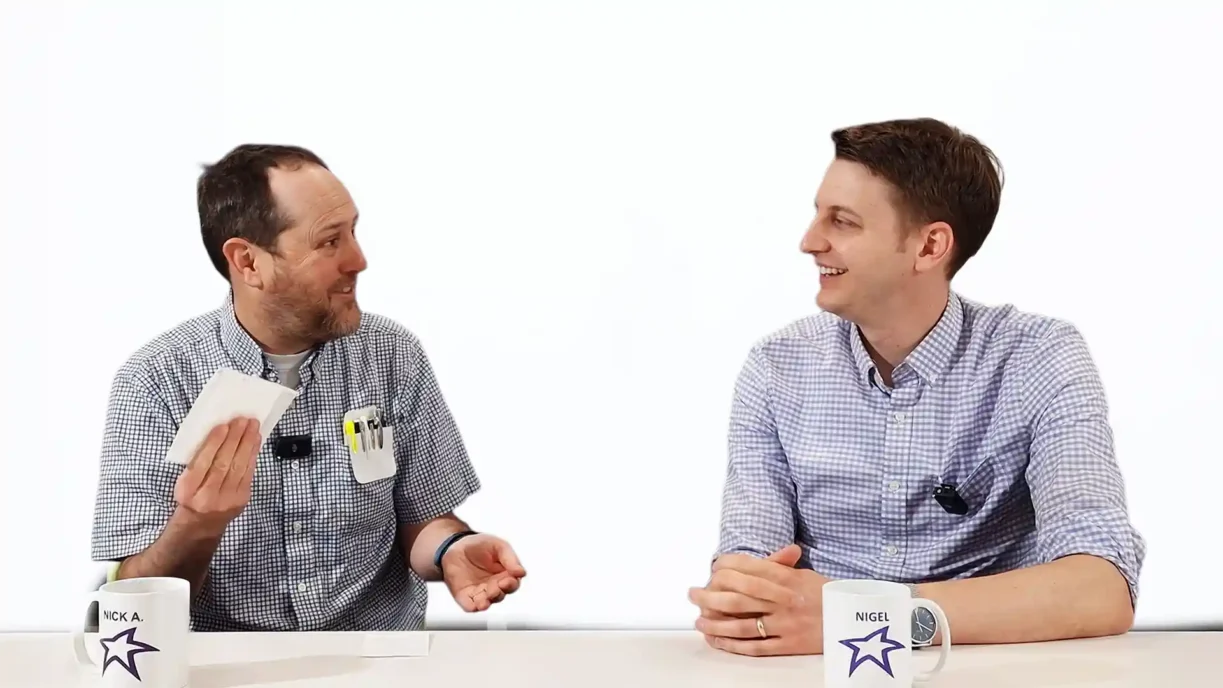
A Simple Teflon Tape Lesson
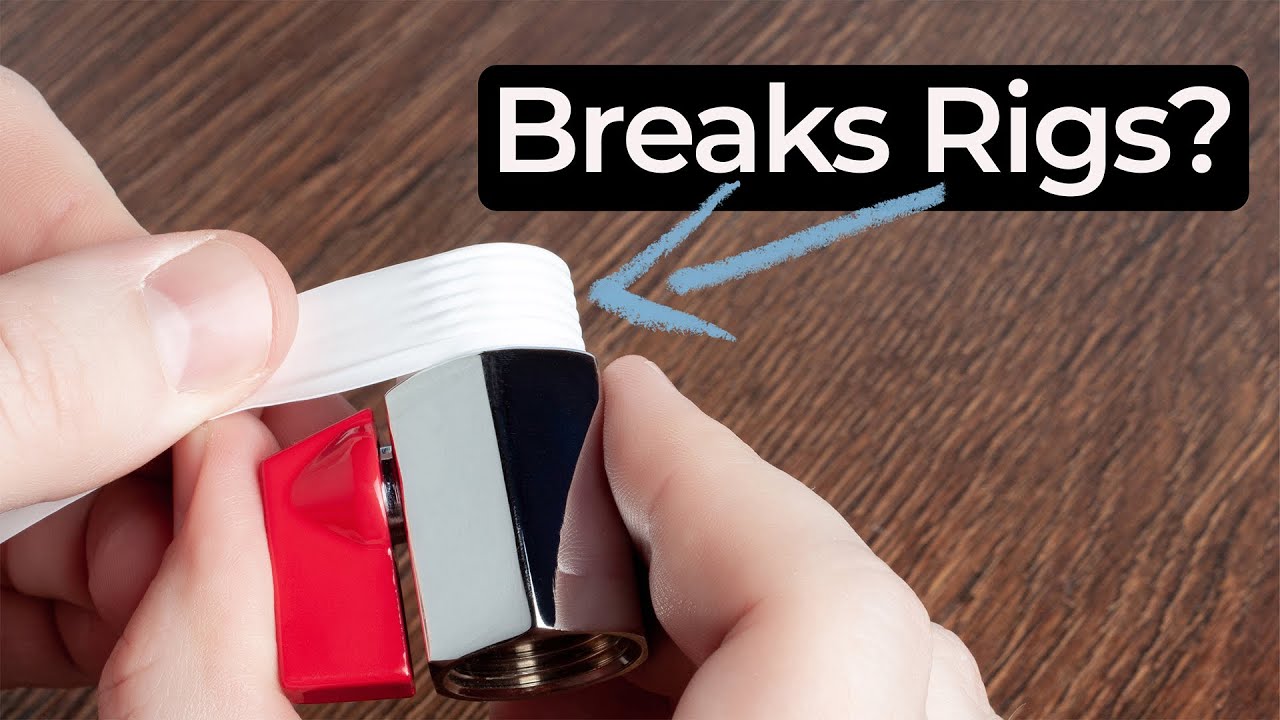
In this Bio Break episode, Nick walks through a practical Teflon tape lesson that came from real work supporting a mechanical test rig. The rig needed different shear rates and fluid flows, yet it began to leak. Since leaks stop progress fast, Nick stepped in to help and discovered a few important details that make Teflon tape behave very differently than people expect.
Nick first explains that there is more than one kind of Teflon tape. Many people know the thin white tape from home repairs. However, thicker versions exist and they behave differently on threads. This matters in a lab environment where flow control is sensitive. He also learned that tape direction matters. You must wrap clockwise unless the threading is reversed. This small detail has a major effect on how well the seal forms.
Next, he reveals the mistake that created problems in the test rig. He had applied far too much tape. Excess tape stretched across the opening and created a valve effect. As fluids moved, the tape shifted and restricted flow. This created inconsistent performance and made leaks even harder to diagnose. The fix was simple but powerful. Leave the first few threads exposed before tightening the fitting. This prevents tape from sliding into the pathway.
Nigel adds a story from his own home renovation project. While unrelated to medical devices, it highlights a similar idea. Small details matter, especially when appearance or function changes with only minor adjustments. Although his example is about wall texture, it reinforces how technique affects results.
This episode is a light moment that still offers a clear engineering reminder. Seals, threads and fluid systems depend on careful setup. A Teflon tape lesson learned in the workshop can save both time and frustration.
Enjoying Bio Break? Sign up to get new episodes sent to your inbox.
Related Resources

Antibiotics changed medicine forever, but many people still wonder how penicillin works at a biological level. Nick and Nigel break down the science behind one of the most important antibiotics ever discovered.
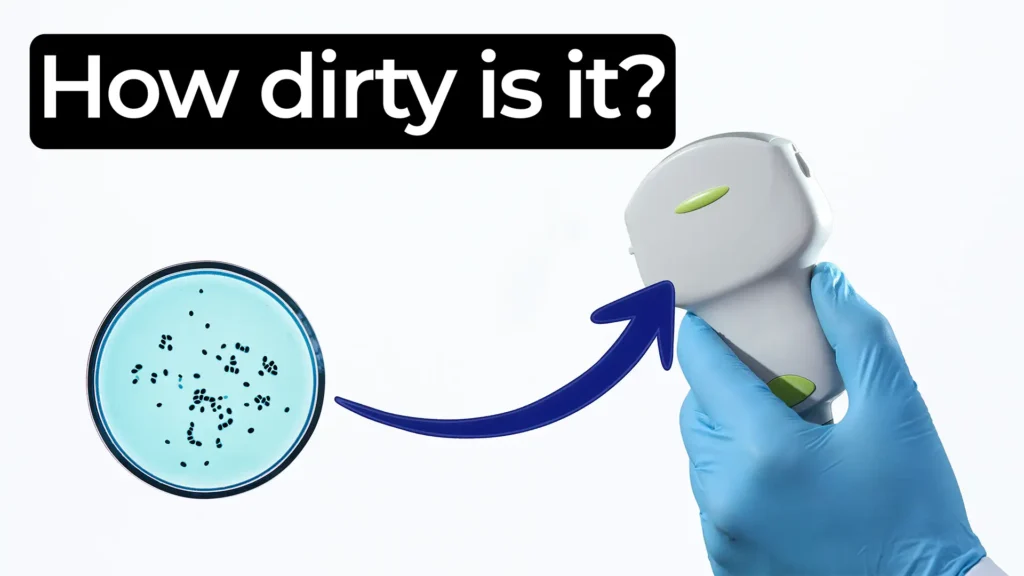
Nick and Nigel explore how much bacteria can exist on devices and why it matters. They explain that bacteria are everywhere.
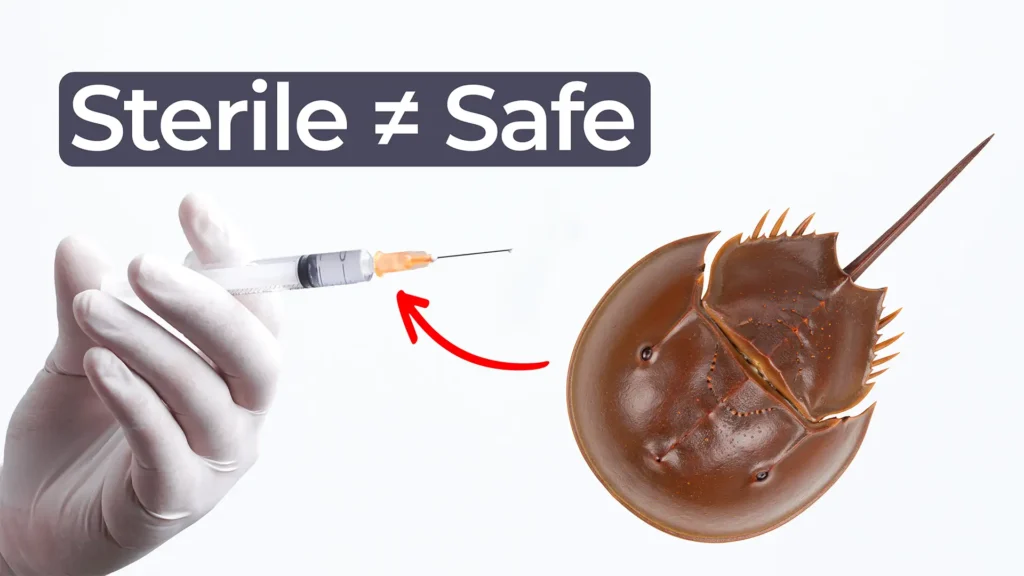
Bacterial endotoxin testing plays a critical role in medical device safety. In this Bio Break episode, Nick and Nigel take a surprising path from aliens and crabs to one of the most important quality checks in MedTech.
Nick and Nigel walk through how sterile disposables are processed and verified before they reach the field.