

MD+DI: Hospital to Home Medical Devices Often Fail When Designed for the Clinic
TL;DR
Eric Olson’s MD+DI article explains why clinical devices need redesign, not just miniaturization, before they work in patients’ homes:
- Home users have little training and skip the instructions, so devices succeed when they guide people with plain language and pictograms and travel easily on battery power.
- Adherence and connectivity both weaken without hospital staff, so teams now favor reliable, easily troubleshot technology and apps that fit existing habits.
- Patients reject devices that announce their condition, and low-cost changes such as decor-matched packaging can improve acceptance.
Medical devices that work well in the hospital often struggle when they move into the home, where patients have little training and no technical support nearby. Many of the first devices to make that move were proven hospital products, and a device built for the clinic can look out of place in someone’s home and fail usability testing there. In a recent article for MD+DI, Eric Olson, Director of Design, US, at StarFish Medical, explains why that clinical origin often works against these devices and what development teams can do about it.
Olson points to a COPD therapy that extended patients’ lives in clinical trials yet was rejected once patients took it home. Patients with limited mobility struggled to carry the heavy, awkward device, and its controls and indicators were hard to interpret. Olson’s conclusion is that development teams need to study users where they live. His team has spent two decades visiting patients at home to see what changes when care leaves the hospital.
Usability is the first challenge. Patients usually receive little training, and they would rather start using a device than read the Instructions for Use first, or at all. Olson recommends plain, non-technical language and pictograms for service and troubleshooting guidance. Home devices also go everywhere their owners go, so they need to be compact, light, and quiet on battery power. Olson notes that portability alone can become the most time-consuming engineering task on a program, which makes it a schedule risk worth planning for from the start.
Adherence is the second challenge. At home, patients lose the nurses and staff who remind and reassure them, and stigma, doubt, and frustration can erode their commitment to treatment. Smartphones can fill part of that gap with reminders, video tutorials, and direct access to experts. Olson warns, however, that teams should not expect patients to open a dedicated app every day. The information patients report can be critical to personalized care, so he suggests applying the discovery and reward mechanics that keep people returning to popular consumer apps.
Connectivity brings its own burden. Patients expect consumer-grade reliability from the first use, and when something fails, it is hard to tell whether the device, app, Bluetooth, Wi-Fi, or internet provider is at fault. Olson observes that teams now weigh reliability and ease of remote troubleshooting more heavily than performance gains. Data adds a second burden, because frequent notifications remind patients of their condition and the volume of alerts is already straining clinicians. He argues that home-use medical devices should stay out of the way and let patients control how much information they receive.
Olson also argues that home devices should not advertise a medical condition. His team once designed catheter packaging with tile and wallpaper patterns so it would blend into a bathroom. The change cost little and showed how strongly emotions shape whether patients accept a product.
Olson concludes that home can be a better place to recover than the hospital, but only when medical devices are designed for the people living with them. Those users have no clinical training and no on-site technical help, and they want their homes to remain a place of comfort. If teams design for those users, he suggests, the home could become a personalized setting for diagnosis, treatment, and recovery.
Read the full article on MD+DI.
About StarFish Medical
StarFish Medical is a medical device design, development and manufacturing company that brings innovative thinking, deep engineering expertise and advanced manufacturing capabilities to medical devices at every stage.
From groundbreaking technologies to established products and production processes, StarFish supports medical device development, quality and regulatory requirements, manufacturing readiness, scale-up and commercial production. We work with emerging MedTech companies and established global organizations.
Advancing MedTech Innovation. starfishmedical.com
Contact Patrick Dean, Director of Marketing, for media inquiries.
Related Resources

Medical devices built for the hospital often fail at home, where patients have little training and no support nearby. Eric Olson explains in MD+DI what teams need to change.
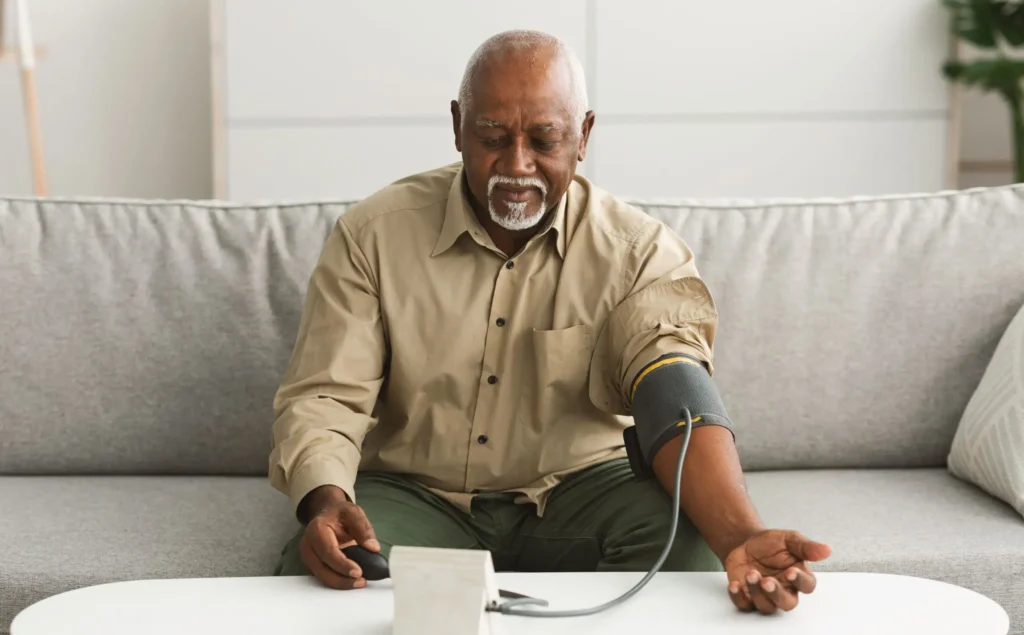
Most medical devices were designed for clinical settings, not the patients and caregivers who increasingly rely on them at home. Here’s what good home-use device design actually requires.

How do you measure comfort in medical device design? Explore the tools, scales, and study design principles that turn a subjective experience into actionable design data.
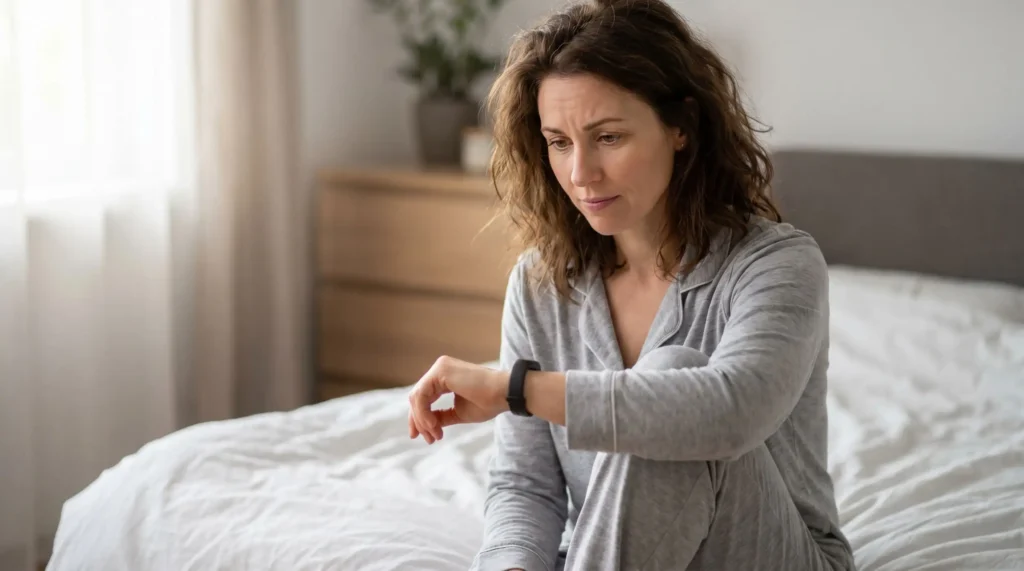
Gathering health data has enormous value for spotting risks, improving care, and advancing science. The problem isn’t capturing the data. The problem is how we choose to present it and who we’re really serving when we do.
Explore Our Services

Our multidisciplinary teams have all the in-house capabilities to transform your medical device from concept to final product.

Turn your design into a device you can build reliably, from clinical builds through NPI to commercial scale.

We help you navigate complex regulatory landscapes to achieve commercial success. Explore our integrated approach to quality and regulatory services.